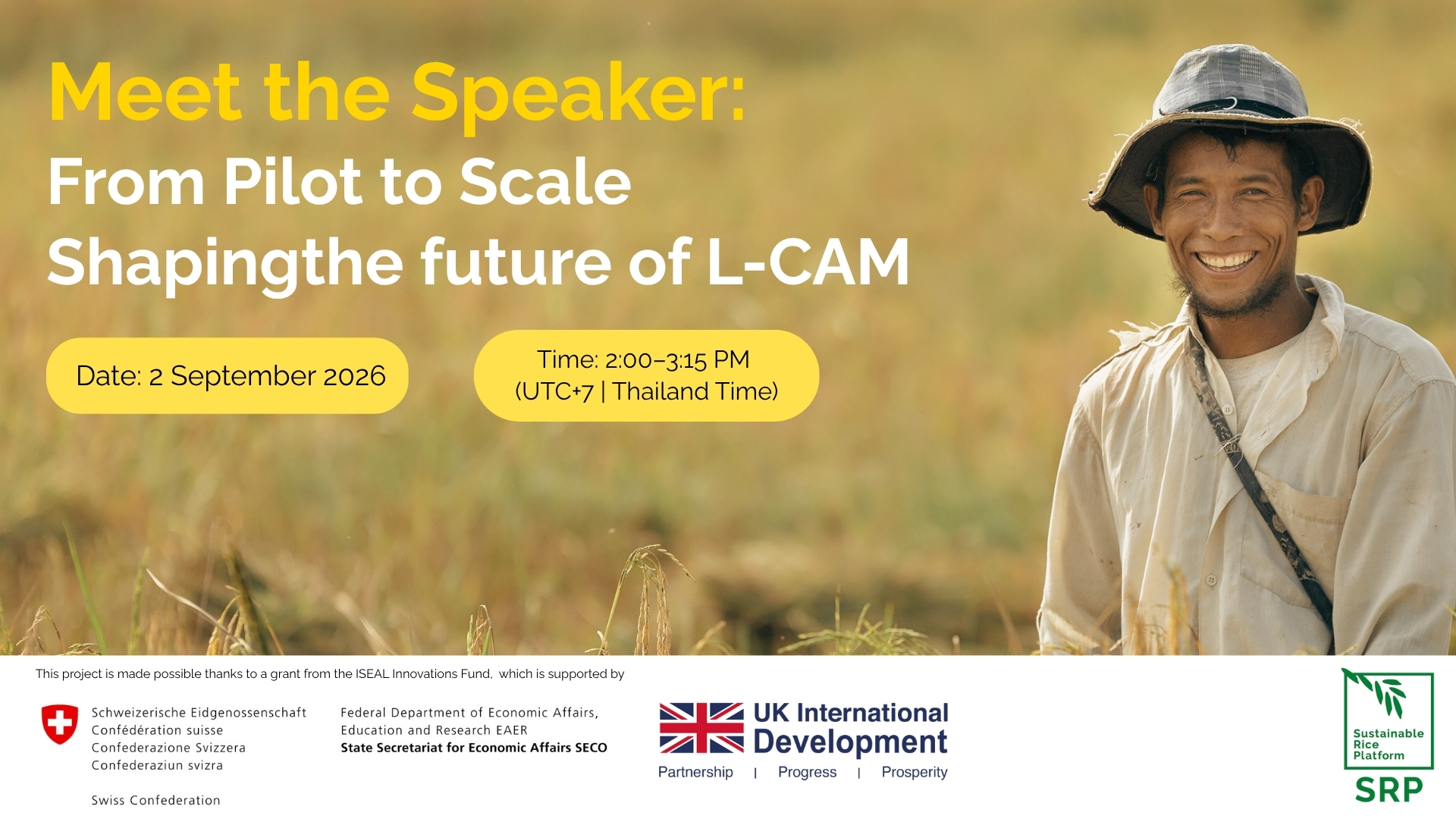
Meet the Speakers: From Pilot to Scale – Shaping the Future of L-CAM | SRP Webinar, 2 September 2026
For a solution to matter at scale, it has to survive contact with the real world — different geographies, different value chains, different buyers asking different questions. That’s exactly the stage SRP’s Low-Carbon Assurance Module (L-CAM) has reached.
L-CAM was built to give the rice sector something it has long needed: a credible, practical way to measure, verify, and communicate emission reductions across the value chain. It was piloted in India, and is now being replicated in Vietnam. Two very different markets, two very different sets of farmers and partners — and two real-world tests of whether the module can travel beyond where it started.
That’s a pivotal moment, and not one SRP wants to navigate alone. So we’re opening it up — to members, partners, buyers, and anyone with a stake in what credible low-carbon rice claims should look like going forward.
Join us for “From Pilot to Scale: Shaping the Future of L-CAM — Co-creating the Pathway for Implementation and Adoption.
on 2 September 2026, 2:00–3:15 PM (Thailand Time), online and open to all.
The session will walk through why L-CAM matters in the first place, then go under the hood on two of the pieces that make it credible — MRV and traceability — before opening up a live debate on one of the sharpest questions in the sustainability space right now: do buyers actually need traceable emissions data, or is that still more aspiration than requirement? We’ll hear that debated from both the value-chain and the market sides, with perspectives from Mars and Olam Agri.
Meet Our Speakers

Devon — VP of Commercial, CarbonFarm
Devon is VP of Commercial at CarbonFarm, the leading carbon partner for sustainable rice projects. Across her career, she has focused on a central challenge: how to feed a growing population while reducing our impact on nature. She works at the intersection of technology, carbon markets, and scalable project delivery in agriculture, partnering with project developers, corporates, and public-sector stakeholders to design and deliver high-integrity agricultural decarbonization projects with measurable outcomes. At CarbonFarm, she helps bring satellite-based monitoring and audit-ready reporting into real-world programs, enabling high-integrity methane and nitrous oxide reductions at scale.
Devon will walk us through how MRV actually works in an L-CAM context — what’s being monitored, how it’s verified, and what it takes to make the numbers audit-ready.
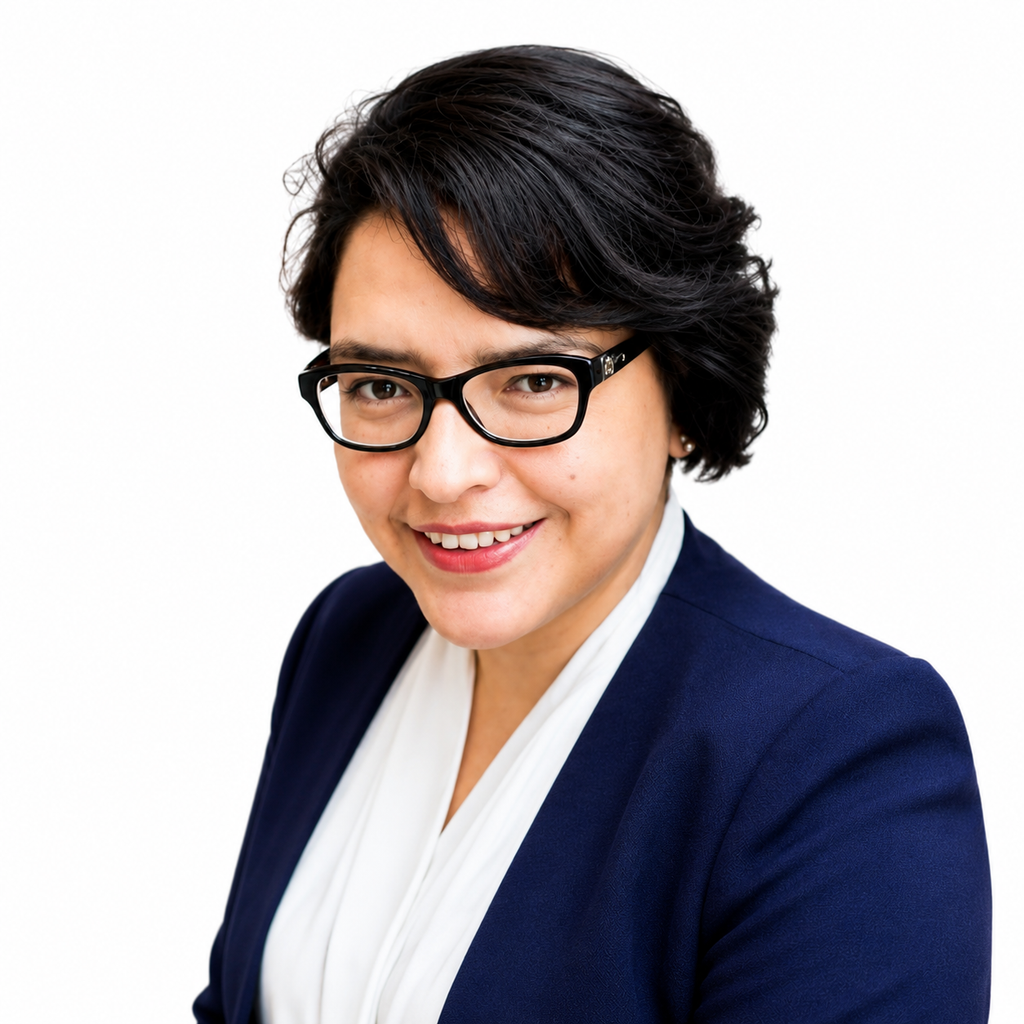
Silvana Paniagua Tufinio — Director, Value Change Initiative (VCI)
Silvana is a senior climate and sustainability leader with more than 15 years of international experience advancing credible corporate climate action across global value chains. As Director of the Value Change Initiative (VCI), she leads a coalition of more than 130 companies and sustainability organizations working to develop practical solutions for Scope 3 accounting and value chain decarbonization, including FLAG, traceability, market-based instruments, and climate claims. Her work has contributed to standards and frameworks led by the GHG Protocol, SBTi, and ISEAL Alliance, among others. She holds an MBA and an MSc in Architectural Engineering from TU Delft.
Silvana will speak to why traceability sits at the center of any credible emissions claim — and what it actually takes to get there across a value chain as complex as rice.
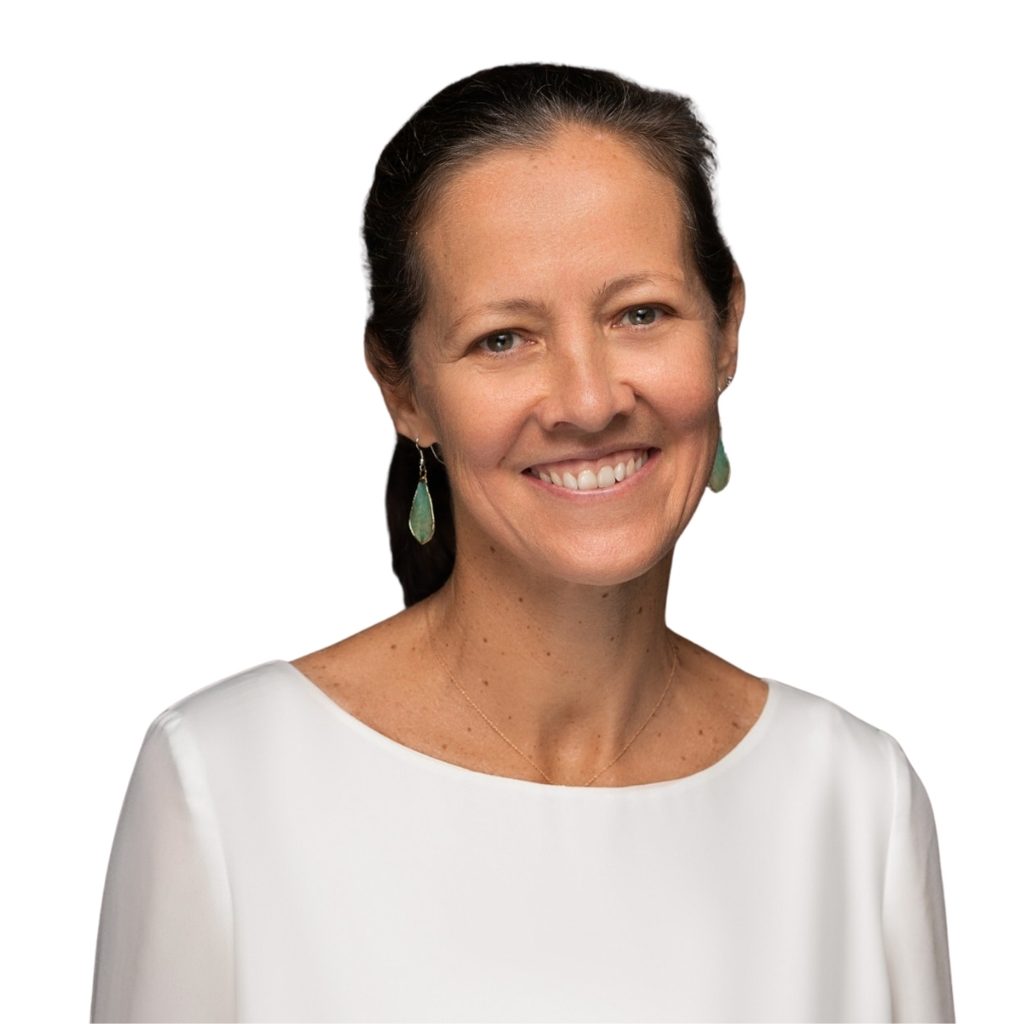
Inge Jacobs — Sustainability Lead, Mars Food and Nutrition
Inge has an academic background in law, with master’s degrees in both human rights and public health. She has 15 years of experience in the not-for-profit sector and 12 years in the private sector at Mars, and has lived a globetrotting life across multiple countries with her family since graduating. Her earlier work focused on child protection, community development and gender programs in rural agricultural communities of Côte d’Ivoire, Burkina Faso, Peru and Honduras. At Mars, she worked on sustainability in the cocoa supply chain for Mars Wrigley, developing strategies to protect human rights and improve farmer livelihoods. She now leads sustainability for Mars Food and Nutrition, focusing on Human Rights Due Diligence, reducing GHG emissions, eliminating unsustainable water use, and building farmer programs designed to help them thrive. Inge is currently based in Chicago.

Paul — Rice Markets & Sustainability Lead, Olam Agri
Paul began his career at the International Monetary Fund as Senior Commodities Analyst, before serving as Executive Director of the Texas Pension Review Board, overseeing the actuarial health of 400 pension plans worth US$200 billion. Kraft Foods (inclusive of Mondelez) then brought him on as Head of Global Commodity Research in the risk function, where he forecasted prices and shaped purchasing strategy for US$17 billion of commodities. For the past 10 years at Olam Agri, Paul has overseen research into rice market price developments and established sustainability projects across Asia that have trained more than 35,000 farmers. He now oversees outgrower projects reaching more than 70,000 farmers across Latin America, Africa, and Asia for Rice, Sesame, Pulses, Quinoa, and Chia at Olam Agri, and is the company’s lead for AtSource (AtSource.io). Paul has served as a Board Member of the Sustainable Rice Platform and on various Carbon Advisory Committees, most recently with Verra on its Scope 3 transformation.
Inge and Paul will go head-to-head on the market question that sits at the heart of this session: do buyers need traceable emissions data — and what does that demand actually look like from where they sit?
Guiding us through all of it will be two familiar faces from the SRP Secretariat, co-moderating and stepping in throughout to unpack the parts that matter most to members.

Soumita Bhattacharya — Manager, Partnerships, Sustainable Rice Platform (SRP)
Soumita works to build strategic partnerships for large-scale adoption of sustainable rice production, aligning governments, development agencies, and private-sector actors to translate sustainability standards into practical, scalable change in the global rice sector. For her, sustainable agriculture is ultimately about expanding farmers’ choices — the choice to farm sustainably, access markets, and earn a better livelihood. Before joining SRP, she held senior technology and strategy leadership roles at AXA in Indonesia, leading complex cross-organizational initiatives across multiple business units and international stakeholders — an experience that shaped her approach to grounding sustainability initiatives in commercial realities so they can scale. Soumita holds a Master’s in Sustainability and a Graduate Certificate in Environmental Policy and International Development from Harvard University, and a Bachelor of Information Technology from the University of Delhi.
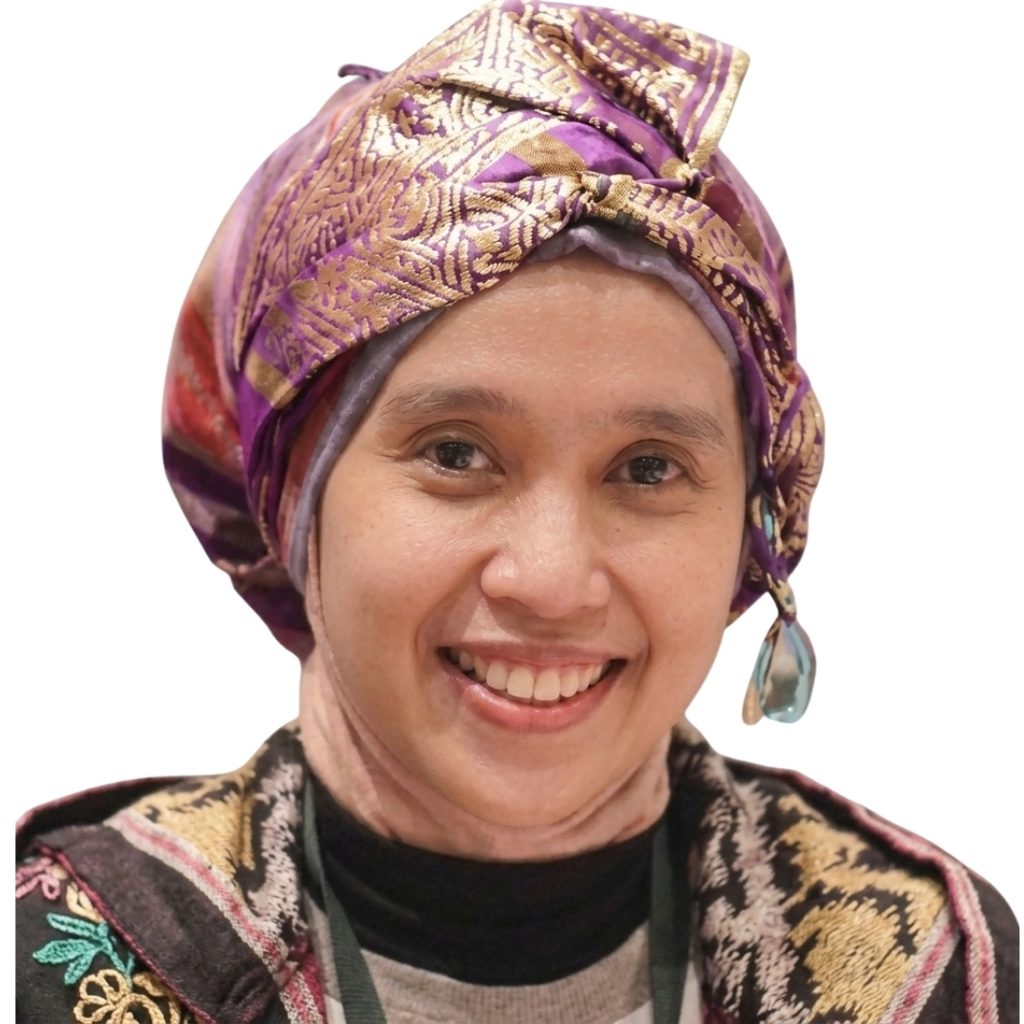
Trusti Widiastuti — Standards & Assurance Manager, Sustainable Rice Platform (SRP)
Trusti oversees the implementation and integrity of SRP’s standards, assurance and verification systems, including the SRP Assurance Scheme, oversight of Conformity Assessment Bodies, traceability and Chain of Custody requirements, and the application of SRP’s claims and labelling framework.
What else to expect
Beyond the speakers, we’ll open the floor to a live L-CAM participation survey during the session — a direct chance to help shape how the module develops as it moves from pilot to scale — and close with live Q&A, so bring your questions.
L-CAM is facilitated by SRP and supported by the ISEAL Innovations Fund, with funding from the Swiss State Secretariat for Economic Affairs (SECO) and the UK’s Foreign, Commonwealth & Development Office (FCDO). The India pilot was co-funded by Mars Foods and Nutrition, in partnership with value-chain partners LT Foods and Ebro India, with Regrow as MRV partner. The Vietnam replication is being delivered with Lotus Rice as implementation partner and CarbonFarm for MRV, alongside Rol Ryż (Euricom Group).
This session is open to everyone — members, partners, buyers, and anyone with a stake in what comes next for low-carbon rice.
Only one live session will be held, so there won’t be a second chance to join in real time. That said, a recording and the full presentation materials will be shared with everyone who registers — so it’s worth signing up even if you know you can’t make it live.
Related Post
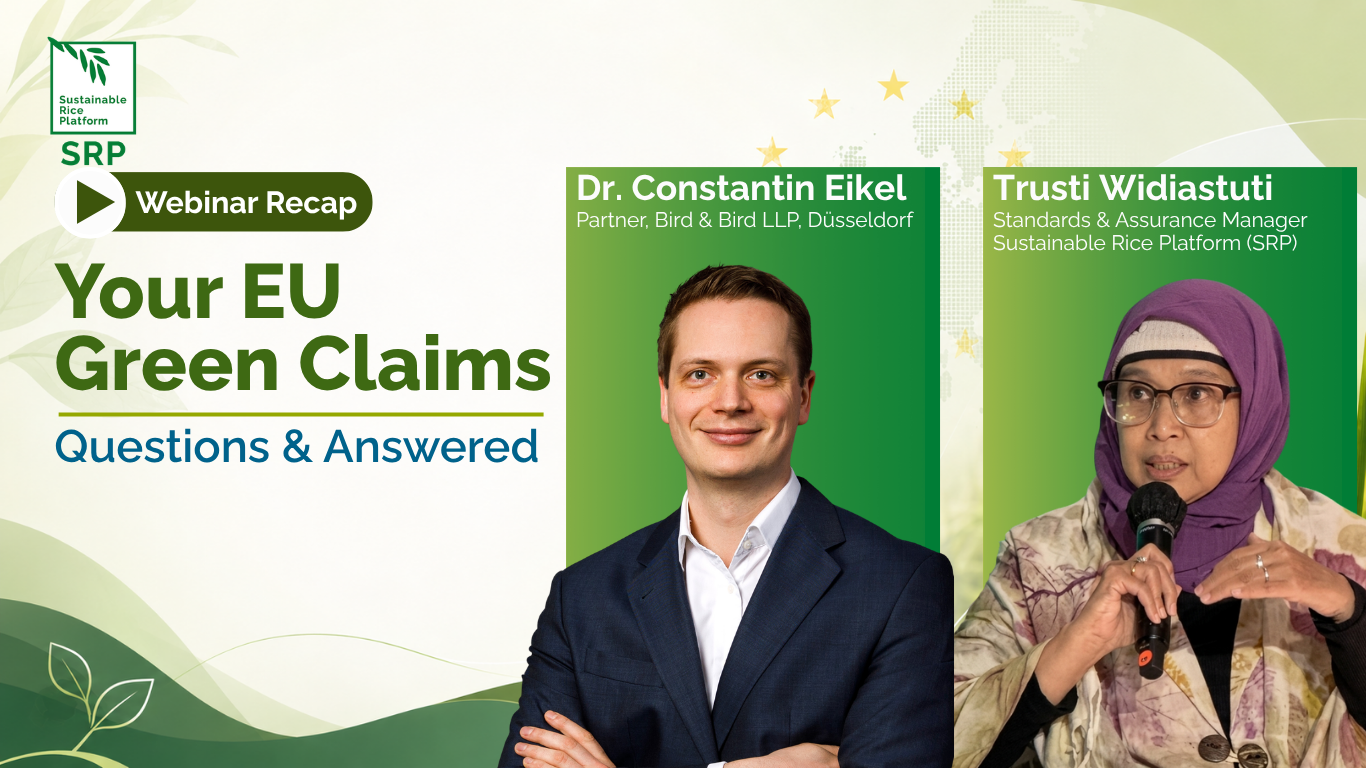
SRP Webinar Recap: Your EU Green Claims Questions, Answered
On 20 August 2026, the Sustainable Rice Platform (SRP) hosted a webinar on the EU Empowering Consumers for the Green Transition (EmpCo) Directive and what it means for sustainability claims in the rice sector. Moderated
Read More
Call for Nominations: SRP Board Election — One Seat, One Vote, Your Voice
Nominations open 20 August 2026 This is your moment to help steer the future of the Sustainable Rice Platform. One seat on the SRP Board — At Large — is opening up. Unlike seats reserved
Read More
How SRP prepared for the EU Empowering Consumers for the Green Transition Directive
The EU Empowering Consumers for the Green Transition (EmpCo) Directive (Directive (EU) 2024/825) introduces new requirements to improve the transparency and credibility of environmental claims and sustainability labels, helping consumers make better-informed purchasing decisions. SRP is committed
Read More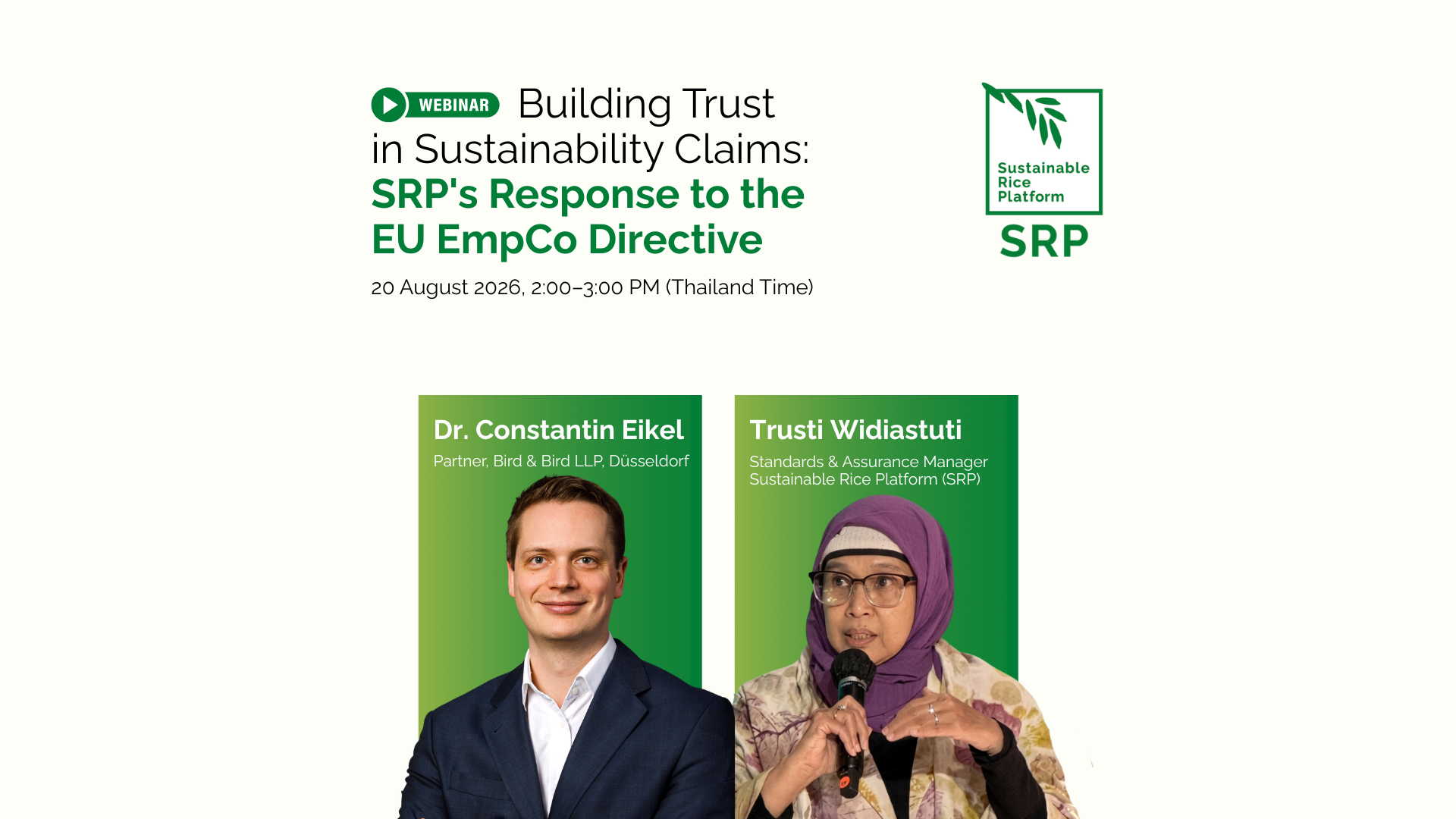
Meet the Speakers: Building Trust in Sustainability Claims: SRP’s Response to the EU EmpCo Directive | SRP Webinar, 20 August 2026
Starting 27 September 2026, the EU's EmpCo Directive comes into force — and it will fundamentally change how brands can talk about sustainability. Broad, unverified claims like "eco-friendly" or "green" won't hold up anymore unless
Read More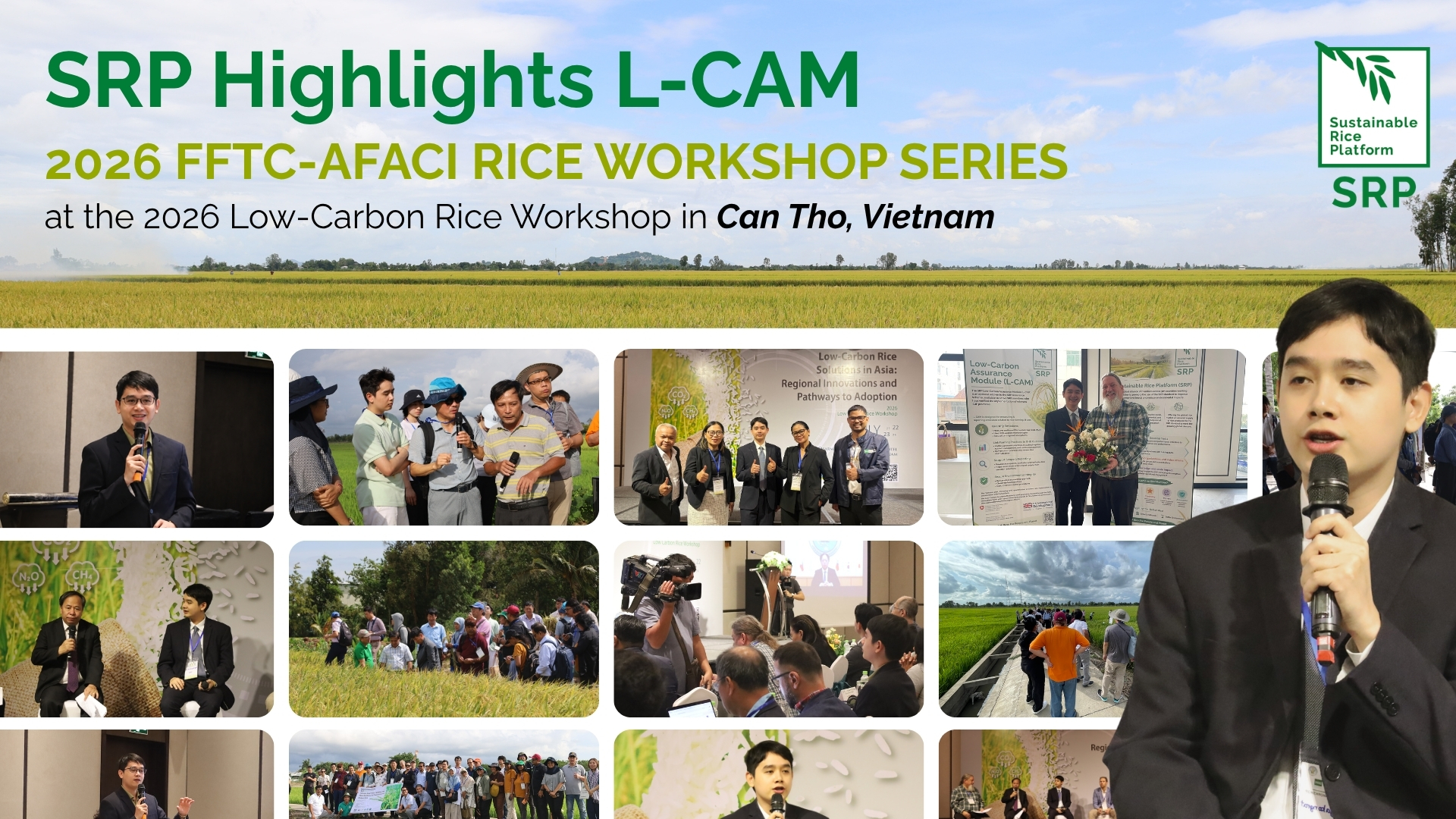
SRP Highlights L-CAM: 2026 FFTC-AFACI RICE WORKSHOP SERIES at the 2026 Low-Carbon Rice Workshop in Can Tho, Vietnam
From 22 to 24 July 2026, the rice world turned its attention to Can Tho City, Vietnam, for the FFTC workshop "Low-Carbon Rice Solutions in Asia." For the Sustainable Rice Platform (SRP), it was more than a
Read More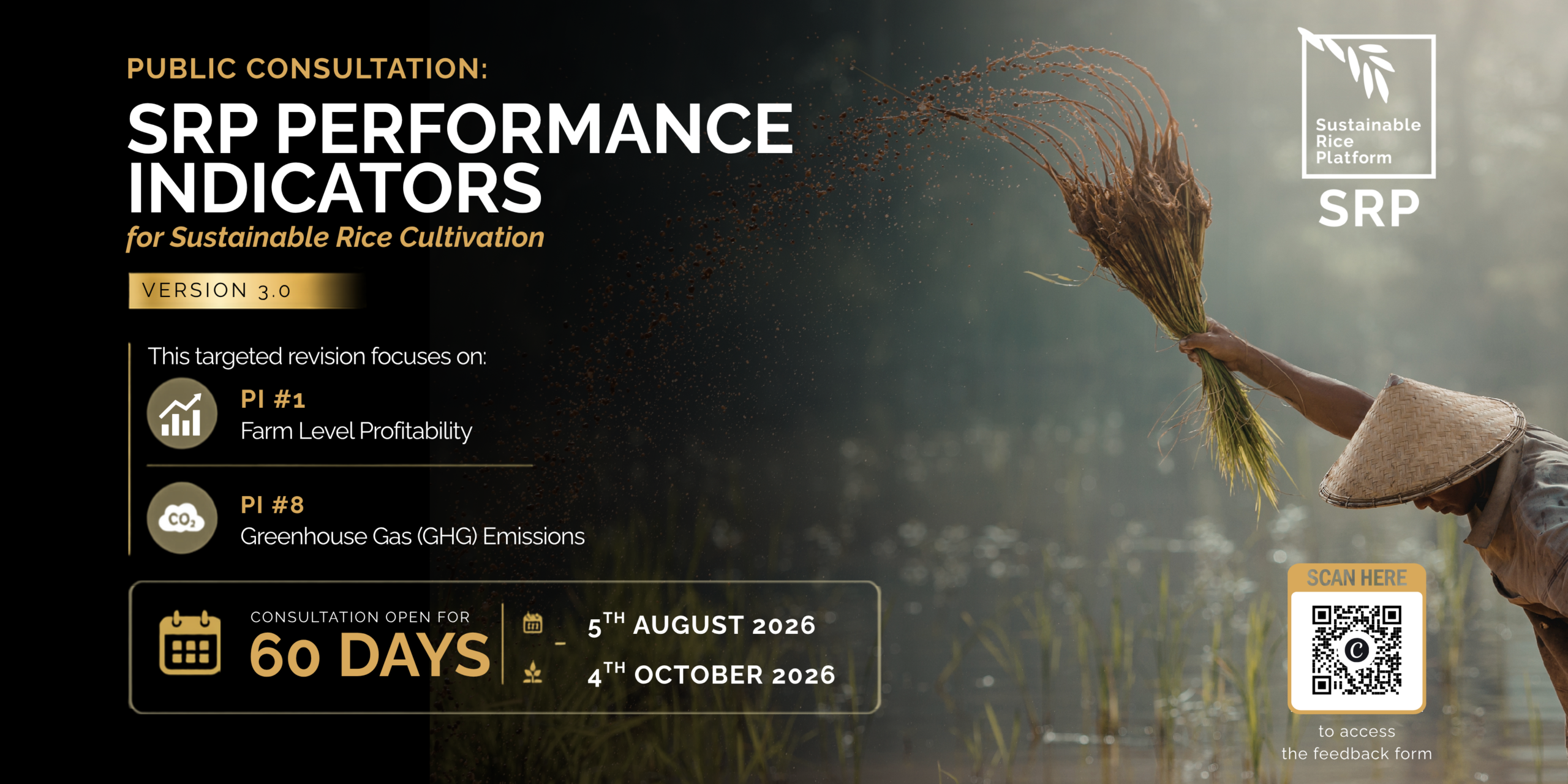
Public Consultation Open: Revision of SRP Performance Indicators for Sustainable Rice Cultivation
The Sustainable Rice Platform (SRP) invites stakeholders to participate in a 60-day public consultation on the proposed revision of the SRP Performance Indicators for Sustainable Rice Cultivation. The SRP Performance Indicators support the measurement of sustainability outcomes associated with rice cultivation and
Read More
Join Thai Webinar: Upgrade Thai Rice Production to meet an international market
As sustainability expectations continue to reshape global agricultural markets, the rice sector is entering a new era where transparency, traceability, and credible sustainability practices are becoming essential. To support stakeholders in navigating this transition, the
Read More
SRP Webinar, 20 August: Preparing for the EU EmpCo Directive
When "Sustainable" Has to Mean Something For years, sustainability claims have lived in a grey zone — a green leaf on a label, a promise of "eco-friendly," a badge nobody quite remembers verifying. Consumers wanted
Read More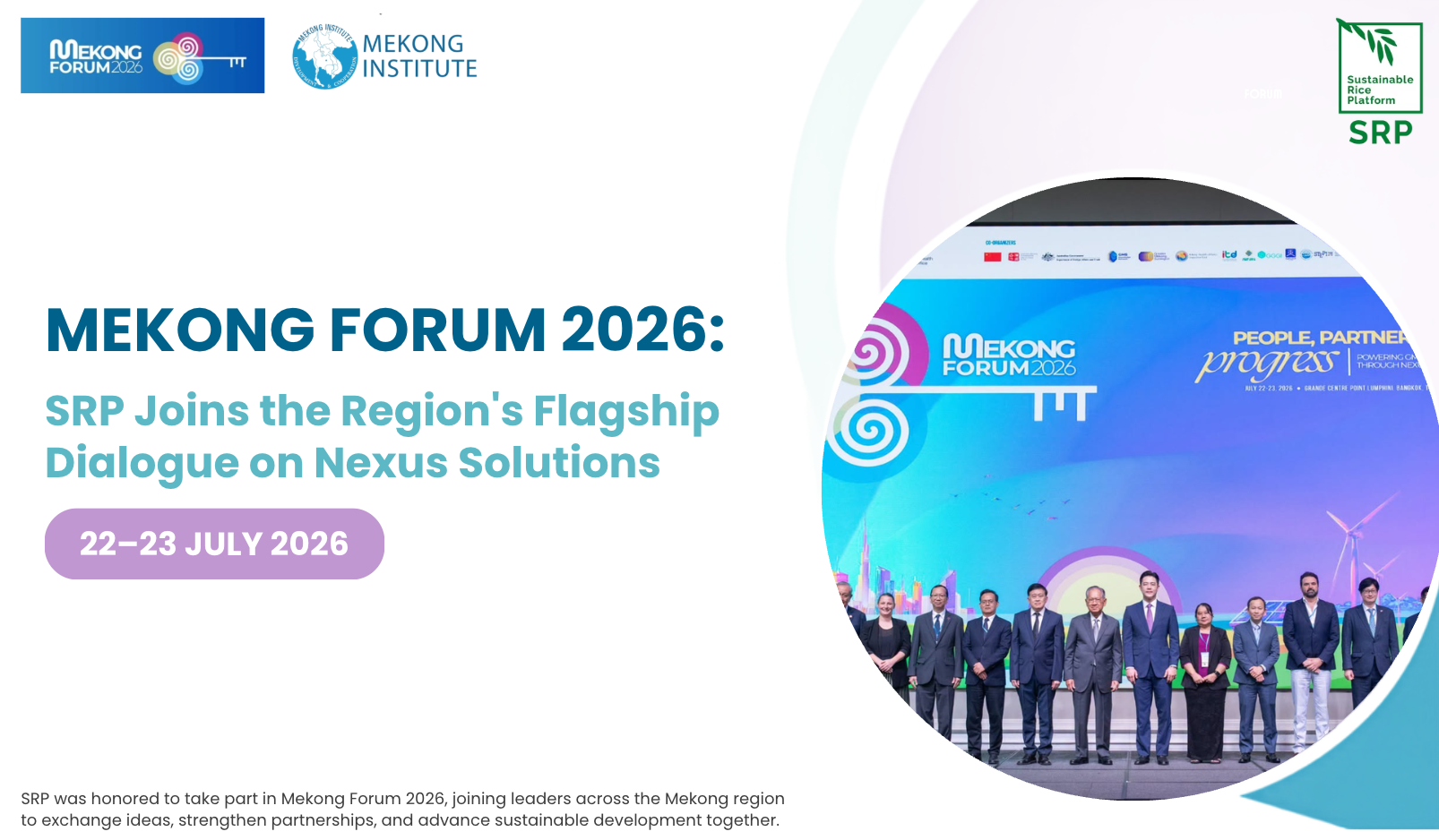
Mekong Forum 2026: SRP Joins the Region’s Flagship Dialogue on Nexus Solutions
22–23 July 2026 | 10th Floor, Grand Hall, Grande Centre Point Lumphini, Bangkok, Thailand On 22–23 July 2026, the Sustainable Rice Platform (SRP) joined Mekong Forum 2026 in Bangkok, the flagship regional gathering organised by
Read More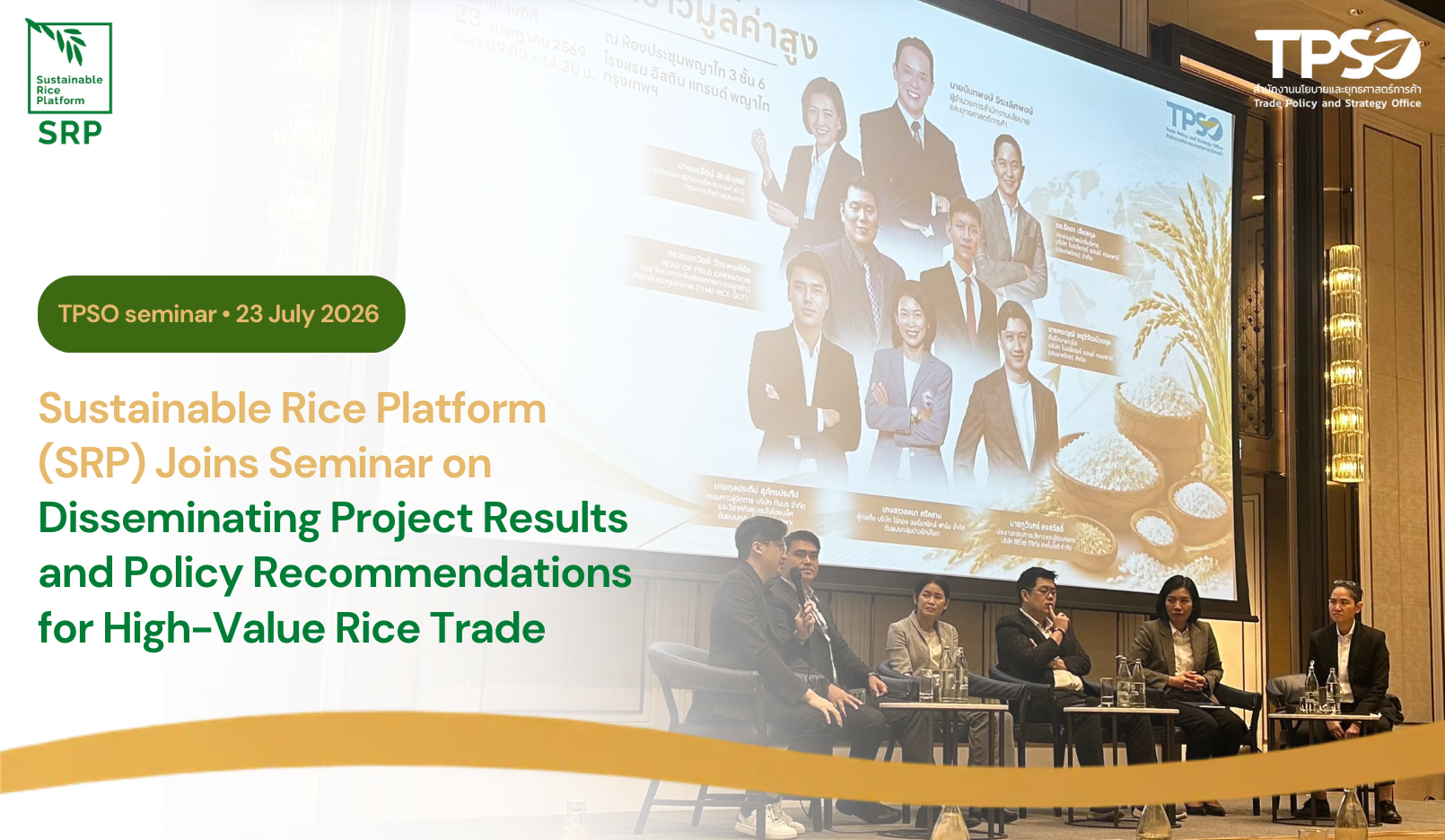
SRP Joins Seminar on Project Results Dissemination and Policy Recommendations for High-Value Rice Trade
Phaya Thai 3 Meeting Room, 6th Floor, Eastin Grand Hotel Phaya Thai, Bangkok – 23 July 2026 On 23 July 2026, Thailand's Trade Policy and Strategy Office (TPSO), together with Bolliger & Company, hosted a
Read More