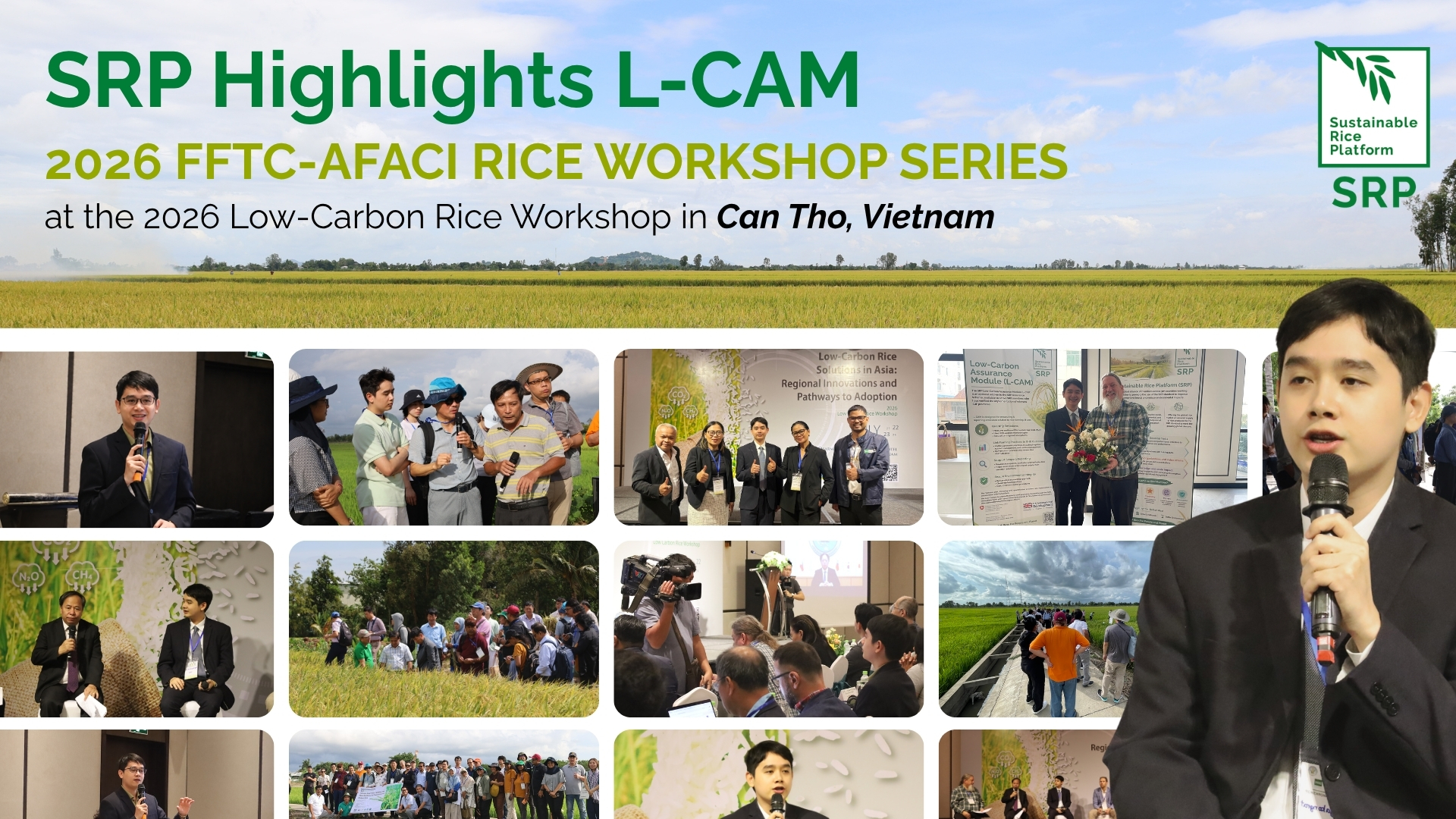
SRP Highlights L-CAM: 2026 FFTC-AFACI RICE WORKSHOP SERIES at the 2026 Low-Carbon Rice Workshop in Can Tho, Vietnam
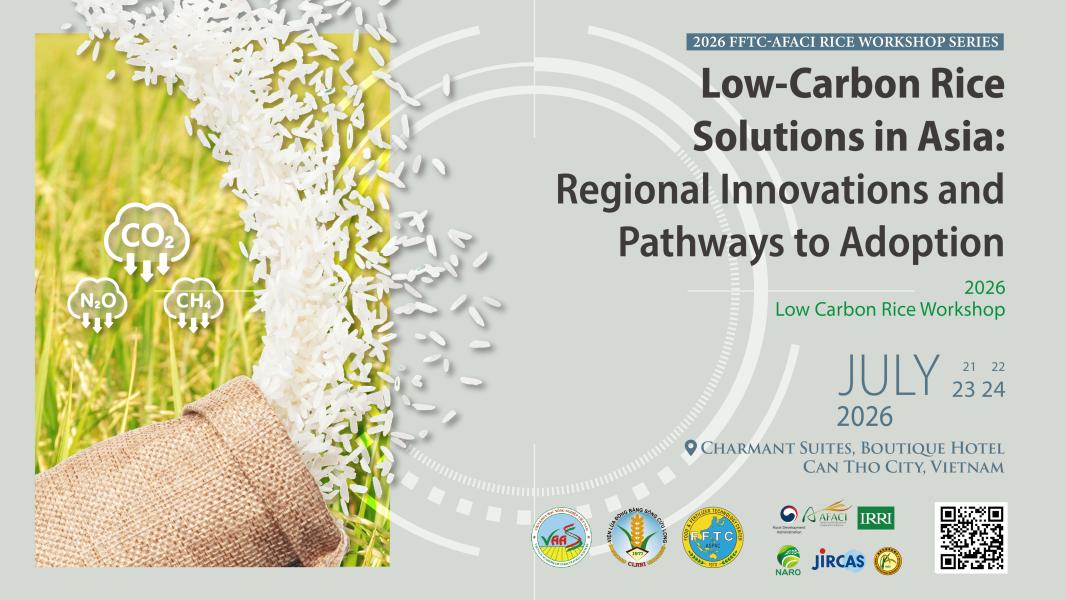
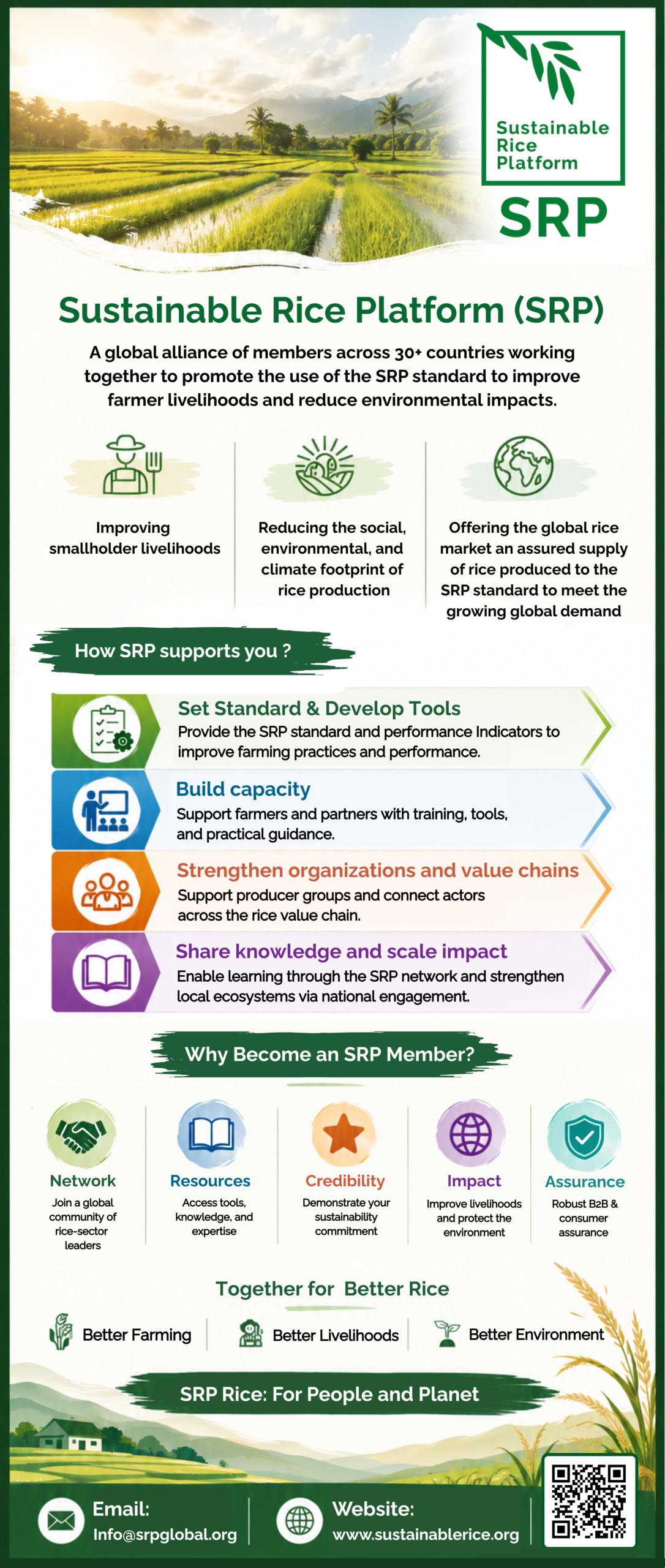
From 22 to 24 July 2026, the rice world turned its attention to Can Tho City, Vietnam, for the FFTC workshop “Low-Carbon Rice Solutions in Asia.” For the Sustainable Rice Platform (SRP), it was more than a conference — it was a moment to bring the Low-Carbon Assurance Module (L-CAM) in front of the very people who can help it scale: policymakers, researchers, and the key actors shaping the future of rice across the region.
Explore the Story—One Chapter at a Time
The Event — and Why It Matters for L-CAM
The workshop, hosted by FFTC together with VAAS and a strong lineup of co-organisers, brought together the region’s leading voices on low-carbon rice — from national research institutes to international development agencies to the private sector. It was the ideal stage for SRP, because L-CAM’s next chapter is being written in Vietnam.
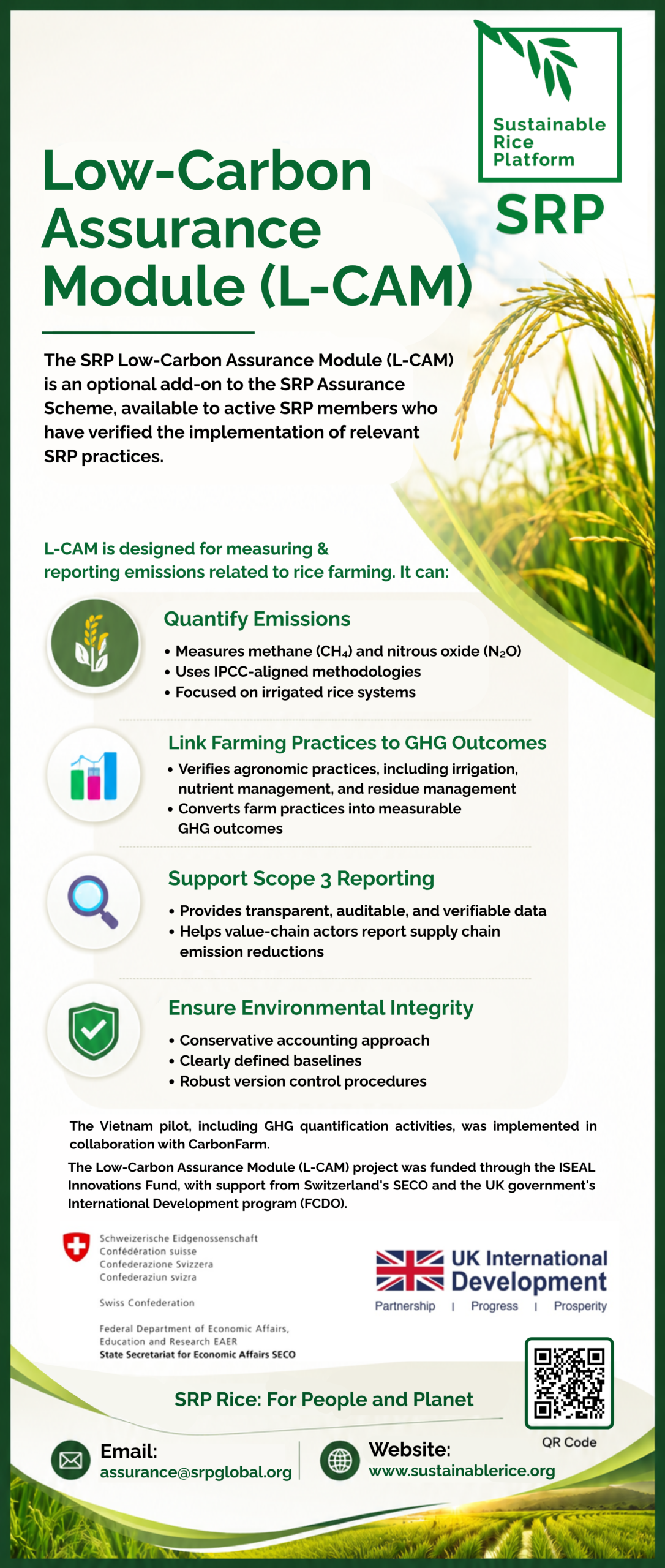
L-CAM is not a new certification scheme. It builds directly on the SRP Standard for Sustainable Rice Cultivation, adding a scientifically robust methodology to measure, verify, and communicate the greenhouse gas emission reductions that come from improved rice management.
And Vietnam — home to the government’s own One Million Hectare High-Quality Low-Carbon Rice Project and the emerging ViRiCert standard — is precisely where global assurance systems and national ambition can meet. SRP sees this as a genuine opportunity for a “handshake” between local innovation and internationally recognised, third-party assurance.
L-CAM on the Show — The Video Premiere
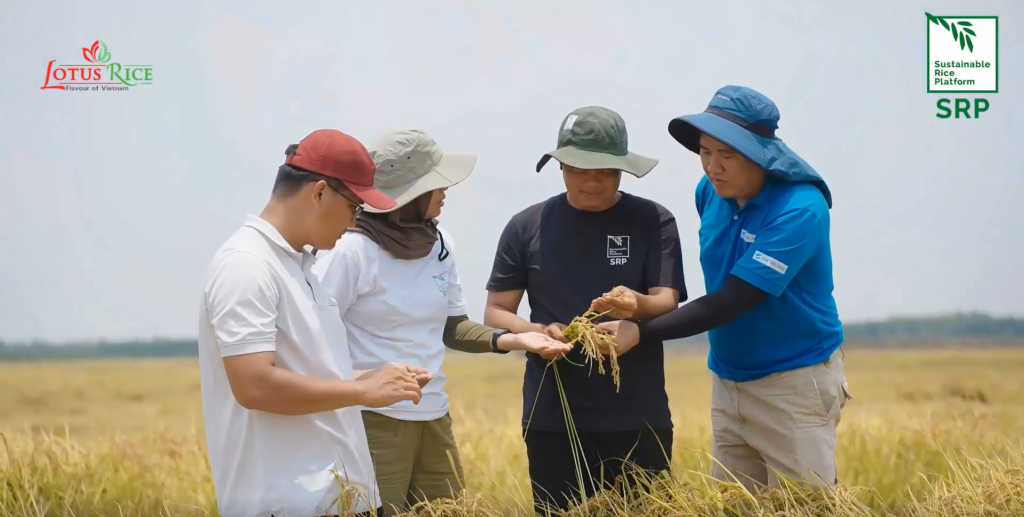
On 22 July, before an audience of policymakers and key actors in the rice sector, SRP had the chance to screen a video introduction to L-CAM. In just a few minutes, the film distilled a fairly technical idea — satellite-based monitoring combined with simple farmer records — into something immediate and human: proof that credible climate data and smallholder-friendly systems can exist in the same sentence.
For many in the room, it was their first real look at how L-CAM works end to end. Judging by the reaction, it landed. Video, it turns out, does something a slide deck can’t: it makes an abstract MRV (Measurement, Reporting and Verification) system feel tangible.
L-CAM on the Stage — A Conversation Among SRP Members.
The following day, 23 July, L-CAM took its place in the workshop’s flagship panel: “Low-Carbon Rice at Scale in Vietnam.” And in a detail that says a great deal about how tightly the low-carbon rice community has grown together, the session was moderated by Russ Cullinane, VP Carbon Projects at CarbonFarm — and someone SRP knows well as the former Chair, and current member, of SRP’s own Technical Committee.
The panel itself read almost like a roll call of SRP’s partner network:
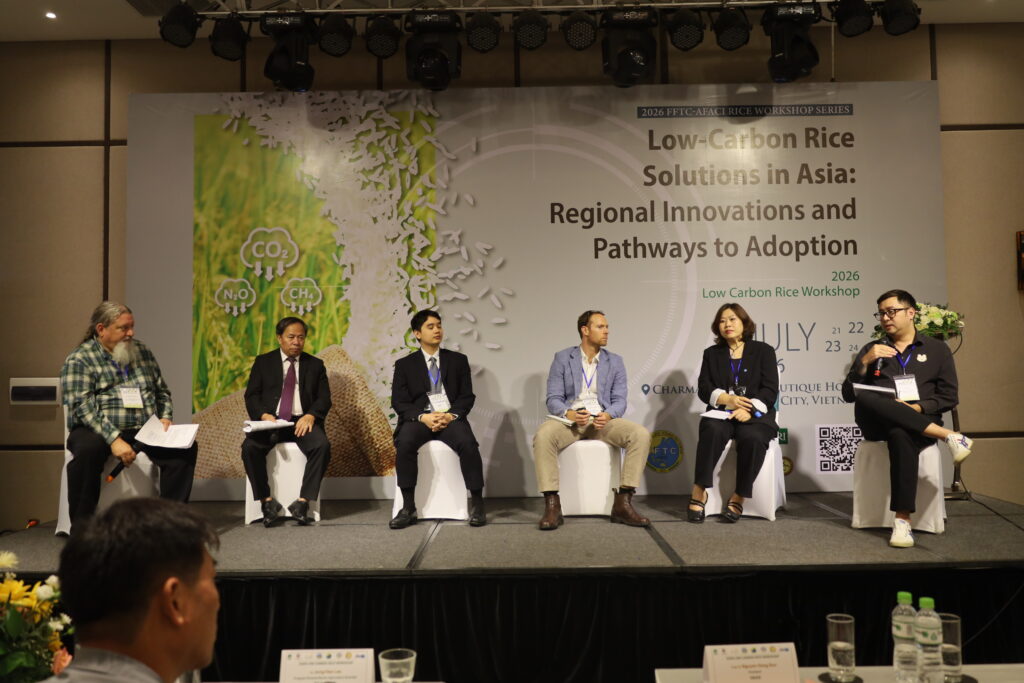
- Dr. Nguyen Hong Son (VAAS) — on Vietnam’s One Million Hectare High-Quality Low-Carbon Rice Project
- Tun Boonyakongrat (SRP) — on the Low-Carbon Assurance Module (L-CAM)
- Dr. Matt Champness (FAO RAP) — on the Sustainable Rice Landscape Initiative
- Dr. Thu Ha Tran (SNV Vietnam) — on transforming rice value chains
- Mr. Tuan Le (Rikolto Vietnam) — on low-water, low-carbon rice in the Mekong Delta
CarbonFarm, FAO, Rikolto and SNV are all valued SRP members, alongside Lotus Rice — the organisation delivering L-CAM on the ground in Vietnam — and founding members such as IRRI, whose long-standing commitment helped build the platform SRP stands on today. Elsewhere at the same workshop, Kazuki Saito, a former SRP Board member, moderated another session — a reminder of just how many threads connect back to this community.
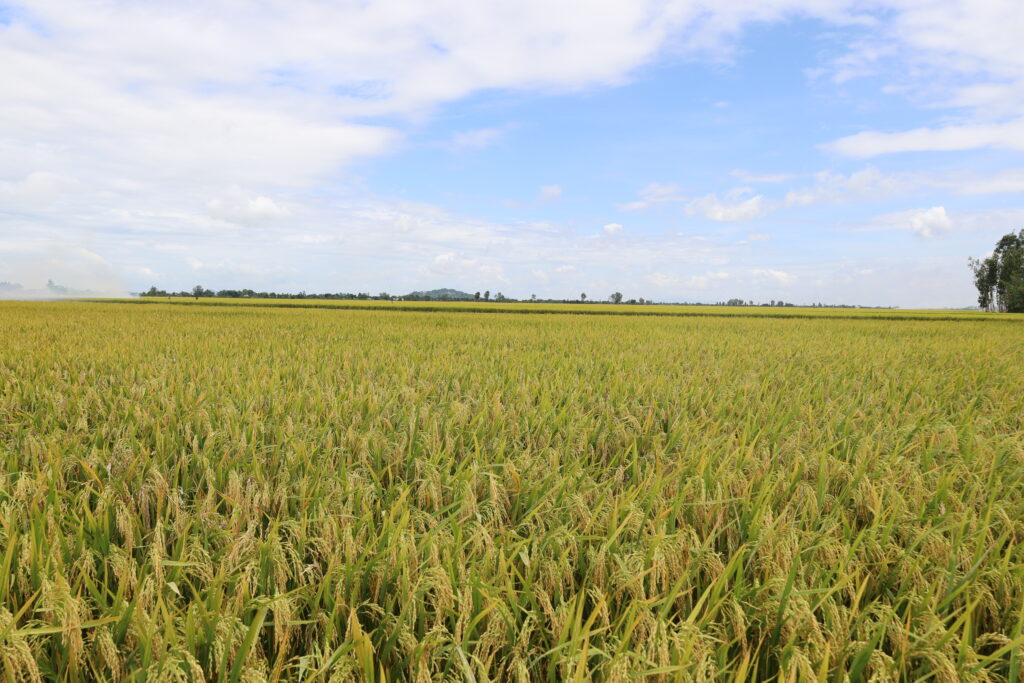
The conversation kept circling back to one theme: scale. The science of reducing rice emissions is increasingly well understood; the harder work is moving from research plots to real fields across thousands, and eventually millions, of hectares. As the session’s closing message put it — the interventions have to work for the farmers if you want the actions to scale. Russ brought the discussion to a close on exactly that.
Note: whether the conversation was about low-carbon rice broadly, or L-CAM and the SRP Standard specifically, every credible programme has to be judged by the value it delivers to the people actually growing the rice.
L-CAM on the Speech — Tun on Why This Matters
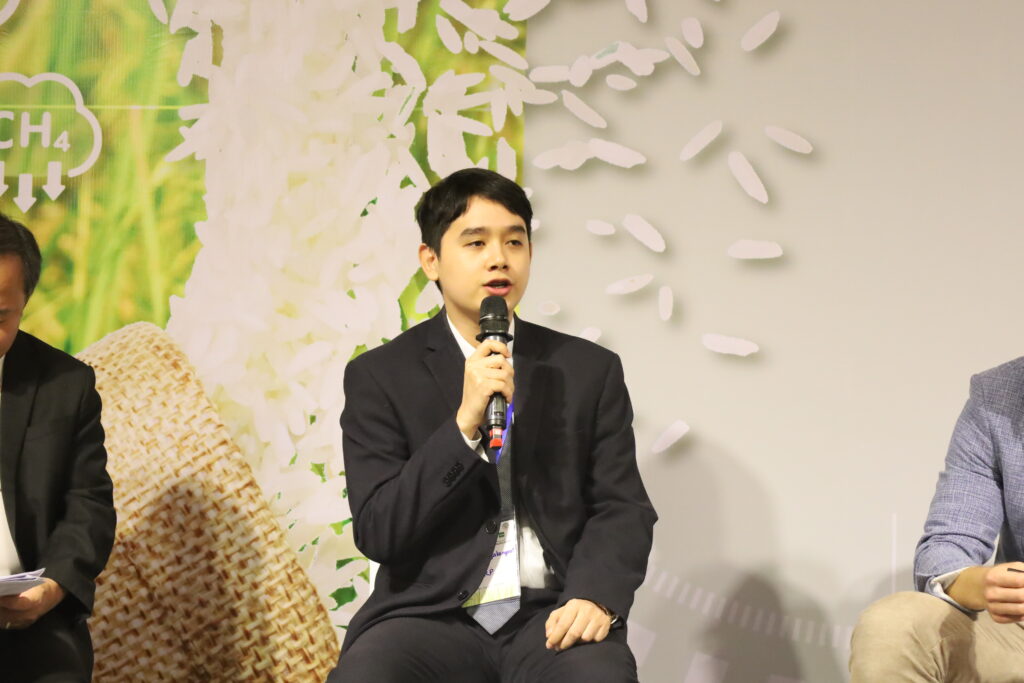
Representing SRP as panelist was Tun Boonyakongrat, Senior Membership and Communications Officer at the SRP Secretariat, who introduced L-CAM to the room in plain terms: a tool to measure, verify, and communicate the emission reductions achieved when farmers adopt improved practices — built to keep the reporting burden on farmers as light as possible, combining satellite data with simple farm records so the credibility stays high without the process becoming a burden.
He also spoke to the business case for scale. Corporate buyers increasingly need evidence-based disclosures to meet their ESG commitments and Science Based Targets — and L-CAM is designed to let sustainable sourcing partners account for Scope 3 emission reductions when they procure SRP-verified rice. Rather than building parallel pilot projects, SRP’s approach is to plug L-CAM directly into supply chains that already move rice from farm to market — because that is how scale actually happens.
One of the most memorable moments of the session came from the floor, not the stage. A guest asked how the sector can raise consumer awareness at the far end of the supply chain — why should people care about sustainable rice at all? Tun’s answer captured something SRP believes deeply: sustainability doesn’t feel distant anymore. Between PM2.5, global climate volatility, and rice shortages already being felt in some countries, the connection between what’s on the plate and what’s happening to the planet is becoming impossible to ignore. Demand for SRP-verified rice — tracked through the RiceTrace system — has grown significantly over the past two to three years, a sign that public perception is shifting in the right direction. But perception alone isn’t enough. The next frontier is market trust: making sure climate-related claims are backed by real, verifiable data rather than good intentions. That, in a sentence, is why L-CAM exists.
Thank You to the Stakeholders Behind L-CAM
L-CAM doesn’t move forward on SRP’s effort alone, and Can Tho was a fitting moment to recognise the partners making it real in Viet Nam.
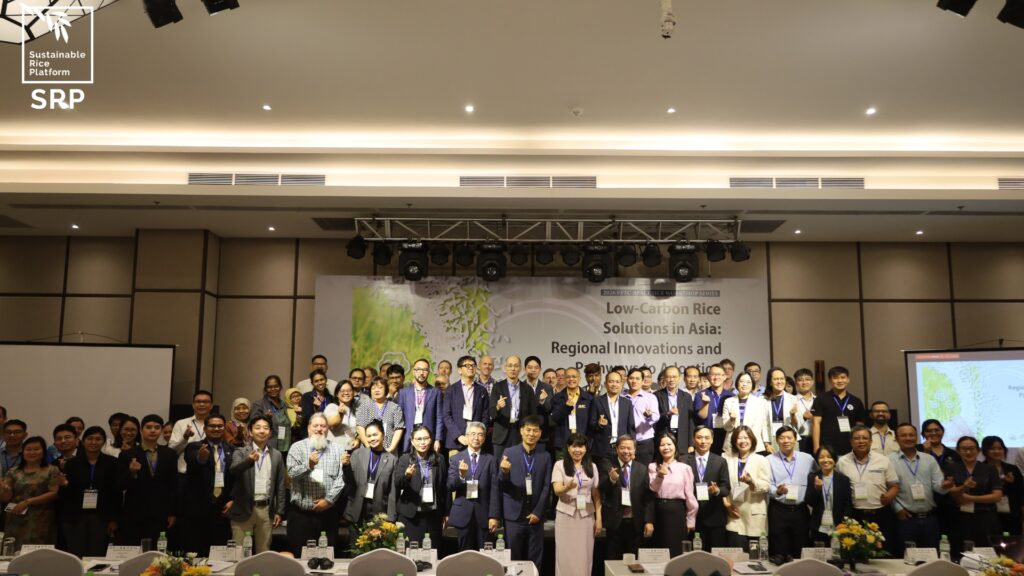
To Lotus Rice, the local implementation partner embedding L-CAM into farmers’ fields, production, and sourcing systems across the Mekong Delta.
To CarbonFarm, whose satellite and AI-powered MRV expertise strengthens the robustness and coverage of L-CAM’s climate data.
To Rol Ryz, operating within the Euricom Group, for reinforcing alignment with commercial value-chain actors as L-CAM moves from pilot to scale.
And to the donors who made it possible to test L-CAM safely from the very start — the ISEAL Innovations Fund, supported by the Swiss State Secretariat for Economic Affairs (SECO) and UK International Development (FCDO) — thank you for giving this idea room to prove itself before asking it to scale.
Field Visits and Connections Beyond the Panel.
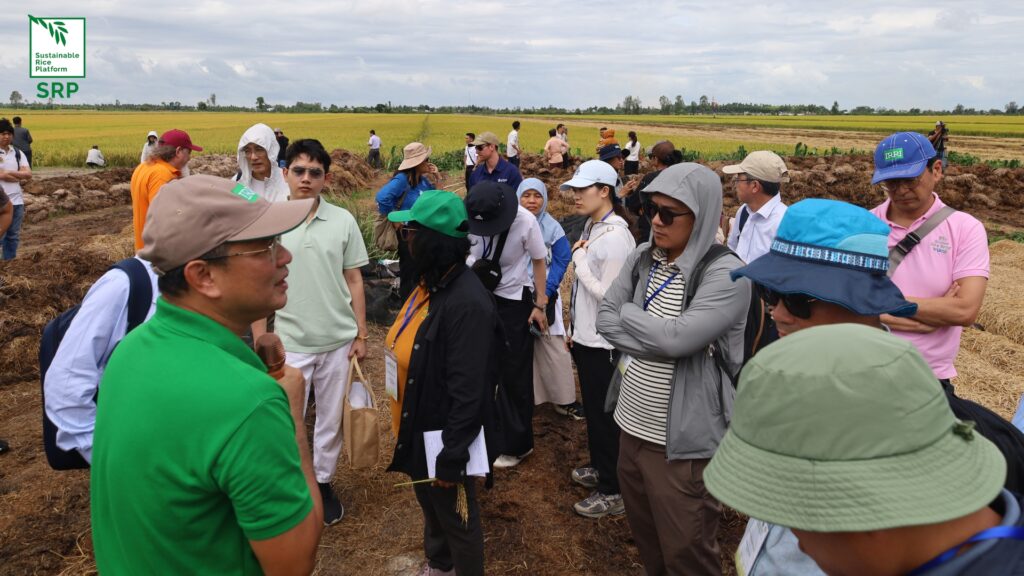
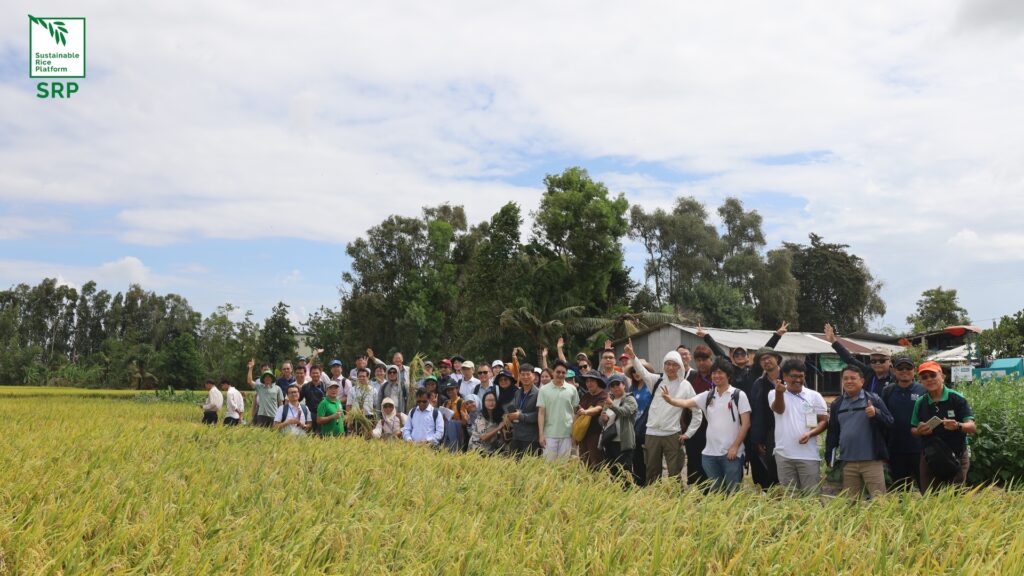
A workshop like this is never just about what happens on stage. Around the formal sessions, SRP’s delegation spent time in the field and in the room with the people driving this agenda forward — and that is often where the real relationship-building happens.
The trip brought together an unusually wide circle of institutions — VAAS, CLRRI, FFTC, RDA-AFACI, IRRI, JIRCAS, NARO and TARI among the hosts — and gave SRP the chance to reconnect with familiar faces, including Kazuki Saito and the IRRI team, and to meet new counterparts working on low-carbon rice from Malaysia to Thailand. A candid conversation with FFTC/VAAS‘s lead decision-maker surfaced strong, genuine mutual interest — proof that some of the most valuable outcomes of a trip like this happen in a hallway conversation, not a panel session.
That spirit of connection extends beyond Vietnam, too. Around this same period, SRP met with Thailand’s Rice Department and the Bank for Agriculture and Agricultural Cooperatives (BAAC), who presented their work with GIZ on the Thai Rice GCF project. It’s a good reminder that SRP’s engagement in Southeast Asia isn’t limited to a single workshop — it’s a long-standing, multi-country web of relationships, and Thailand’s low-carbon rice movement is very much part of that same story.
What’s Ahead for SRP
Can Tho offered a clear signal: the appetite for credible, farmer-centred, low-carbon rice solutions has never been stronger — and SRP, through L-CAM, is positioned right at the center of that momentum. With Vietnam’s own low-carbon rice ambitions accelerating, a growing bench of members already active on the ground, and rising demand for verified, trustworthy rice all the way down the supply chain, the opportunity ahead is significant: to move L-CAM from pilot to scale, to deepen partnerships with national programmes like ViRiCert, and to keep proving — one field, one farmer, one verified tonne of rice at a time — that sustainability and livelihoods aren’t a trade-off. They’re the same goal.
Thank you to everyone in Can Tho who made this possible. The conversation continues — and SRP is looking forward to what comes next.
GET IN TOUCH
Related Post
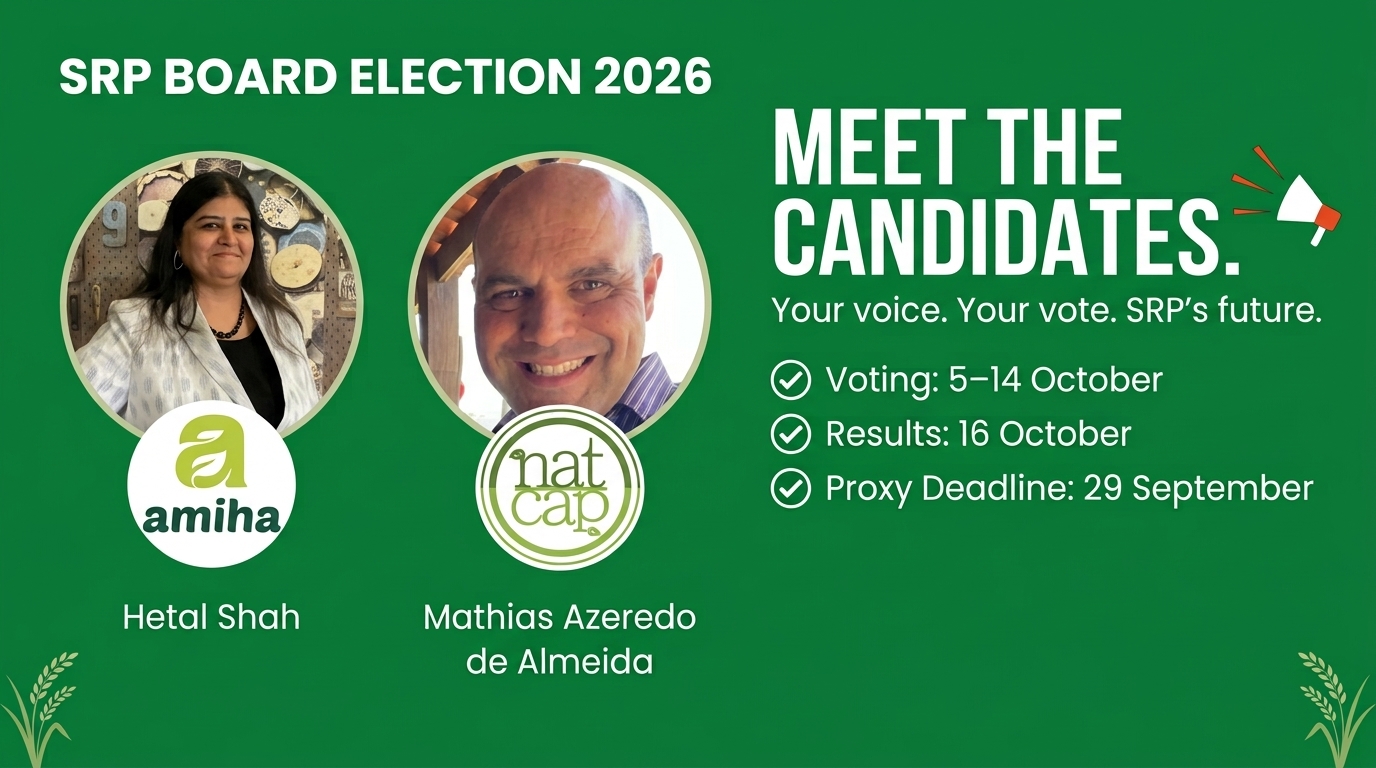
SRP Board Election: One Seat, Two Outstanding Candidates, Your Vote Shapes What Comes Next
The SRP Board sets the direction for our entire movement — and this year, one seat, two exceptional leaders, and every member's vote will decide who helps steward that future. This is your moment to
Read More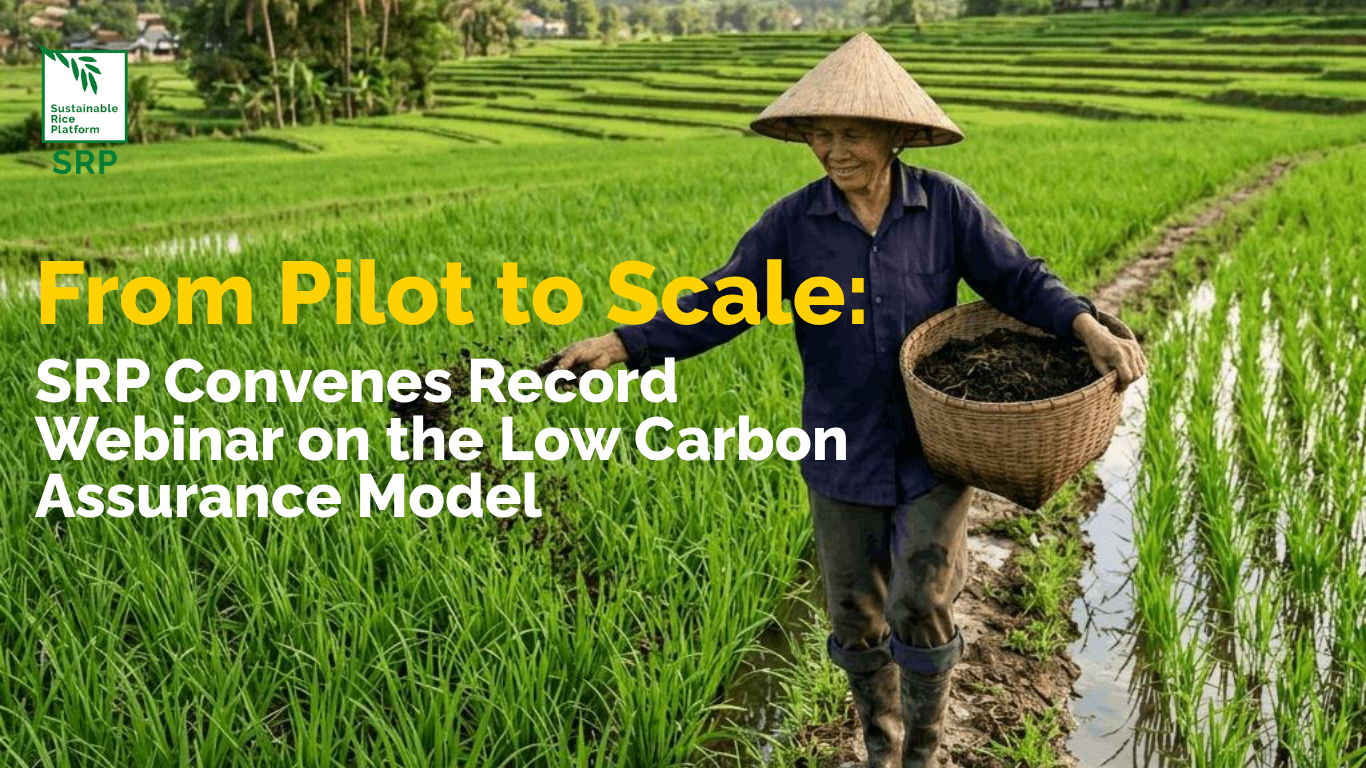
From Pilot to Scale: SRP Convenes Record Webinar on the Low Carbon Assurance Model
Nearly 300 registrants of this webinar, the Value Change Initiative and private-sector buyers to shape the pathway from LCAM's India and Vietnam pilots to sector-wide implementation BANGKOK, 2 September 2026 — The Sustainable Rice Platform (SRP) today convened one of
Read More
Meet the Speakers: From Pilot to Scale – Shaping the Future of L-CAM | SRP Webinar, 2 September 2026
For a solution to matter at scale, it has to survive contact with the real world — different geographies, different value chains, different buyers asking different questions. That's exactly the stage SRP's Low-Carbon Assurance Module
Read More
SRP Webinar Recap: Your EU Green Claims Questions, Answered
On 20 August 2026, the Sustainable Rice Platform (SRP) hosted a webinar on the EU Empowering Consumers for the Green Transition (EmpCo) Directive and what it means for sustainability claims in the rice sector. Moderated
Read More
Call for Nominations: SRP Board Election — One Seat, One Vote, Your Voice
Nominations open 20 August 2026 This is your moment to help steer the future of the Sustainable Rice Platform. One seat on the SRP Board — At Large — is opening up. Unlike seats reserved
Read More
How SRP prepared for the EU Empowering Consumers for the Green Transition Directive
The EU Empowering Consumers for the Green Transition (EmpCo) Directive (Directive (EU) 2024/825) introduces new requirements to improve the transparency and credibility of environmental claims and sustainability labels, helping consumers make better-informed purchasing decisions. SRP is committed
Read More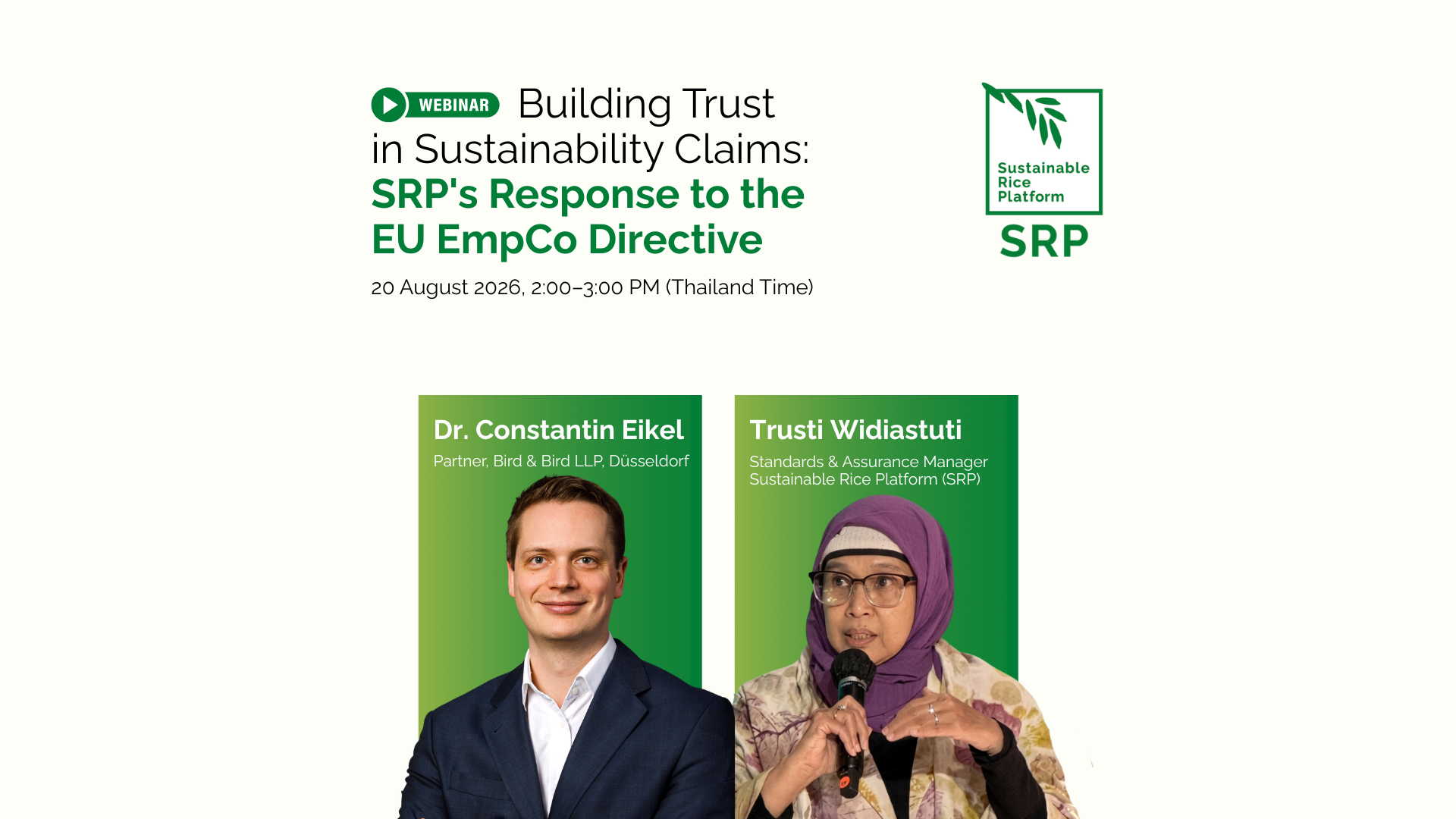
Meet the Speakers: Building Trust in Sustainability Claims: SRP’s Response to the EU EmpCo Directive | SRP Webinar, 20 August 2026
Starting 27 September 2026, the EU's EmpCo Directive comes into force — and it will fundamentally change how brands can talk about sustainability. Broad, unverified claims like "eco-friendly" or "green" won't hold up anymore unless
Read More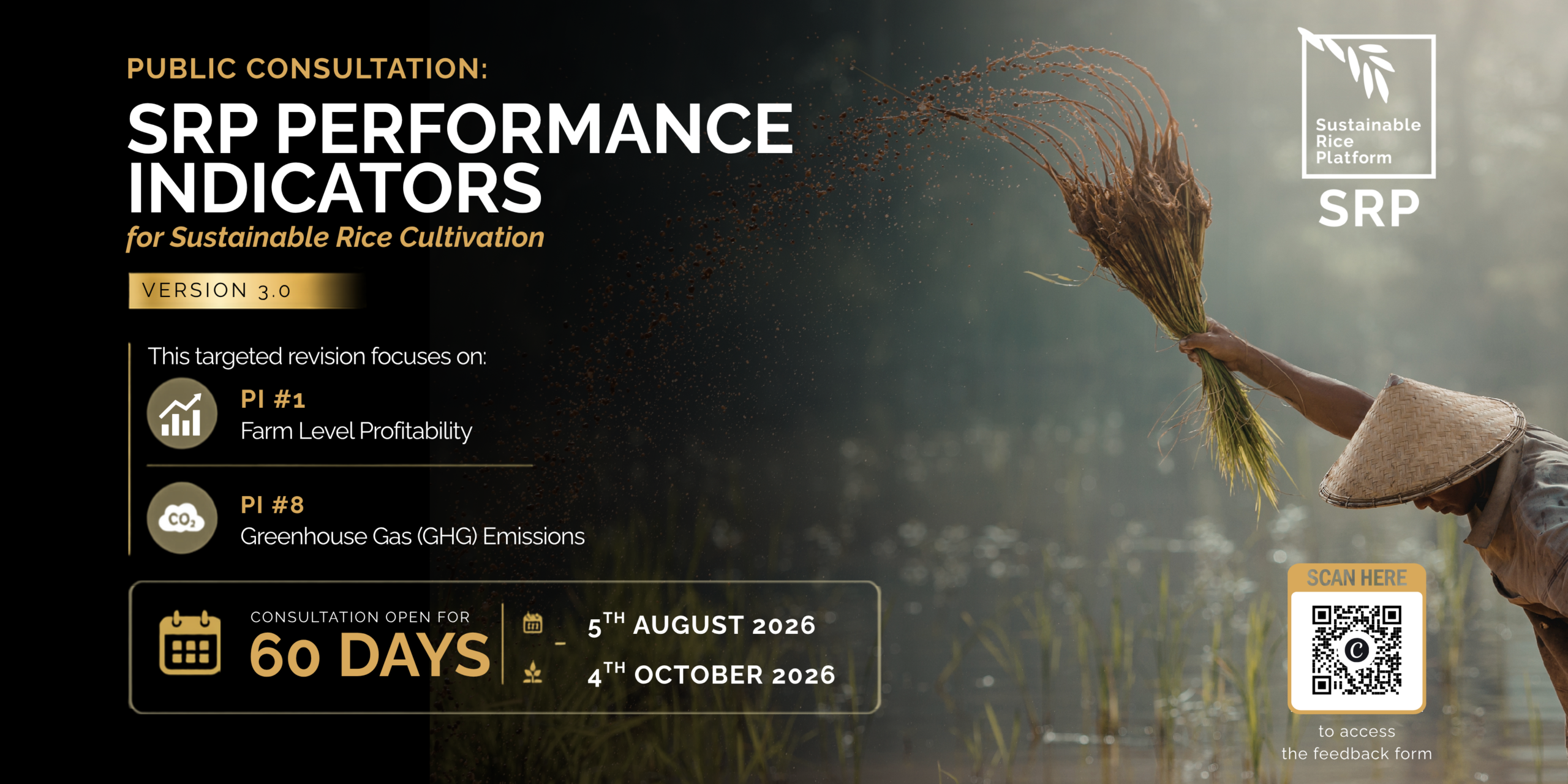
Public Consultation Open: Revision of SRP Performance Indicators for Sustainable Rice Cultivation
The Sustainable Rice Platform (SRP) invites stakeholders to participate in a 60-day public consultation on the proposed revision of the SRP Performance Indicators for Sustainable Rice Cultivation. The SRP Performance Indicators support the measurement of sustainability outcomes associated with rice cultivation and
Read More
Join Thai Webinar: Upgrade Thai Rice Production to meet an international market
As sustainability expectations continue to reshape global agricultural markets, the rice sector is entering a new era where transparency, traceability, and credible sustainability practices are becoming essential. To support stakeholders in navigating this transition, the
Read More
SRP Webinar, 20 August: Preparing for the EU EmpCo Directive
When "Sustainable" Has to Mean Something For years, sustainability claims have lived in a grey zone — a green leaf on a label, a promise of "eco-friendly," a badge nobody quite remembers verifying. Consumers wanted
Read More