Mekong Forum 2026: SRP Joins the Region’s Flagship Dialogue on Nexus Solutions
22–23 July 2026 | 10th Floor, Grand Hall, Grande Centre Point Lumphini, Bangkok, Thailand
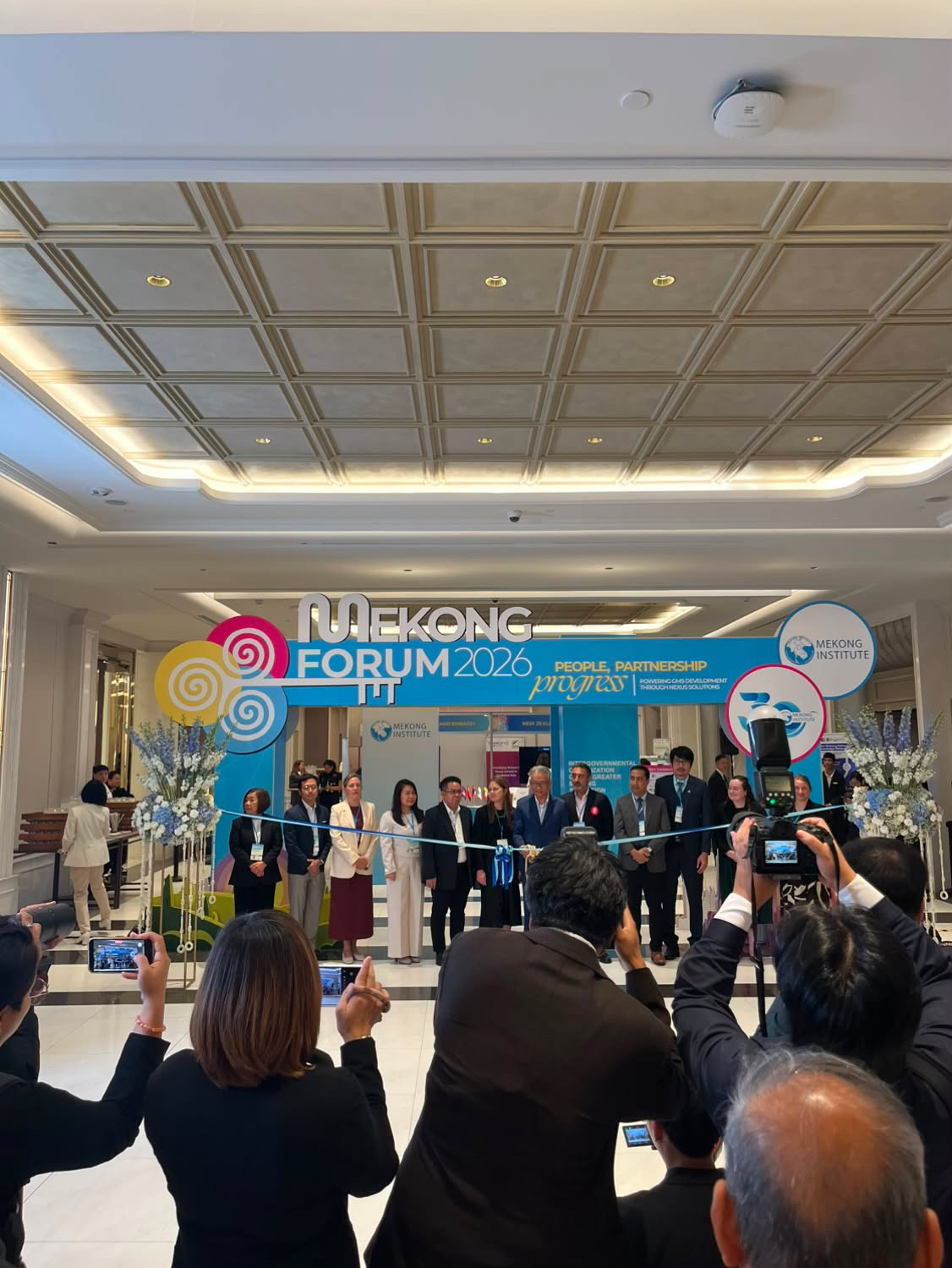
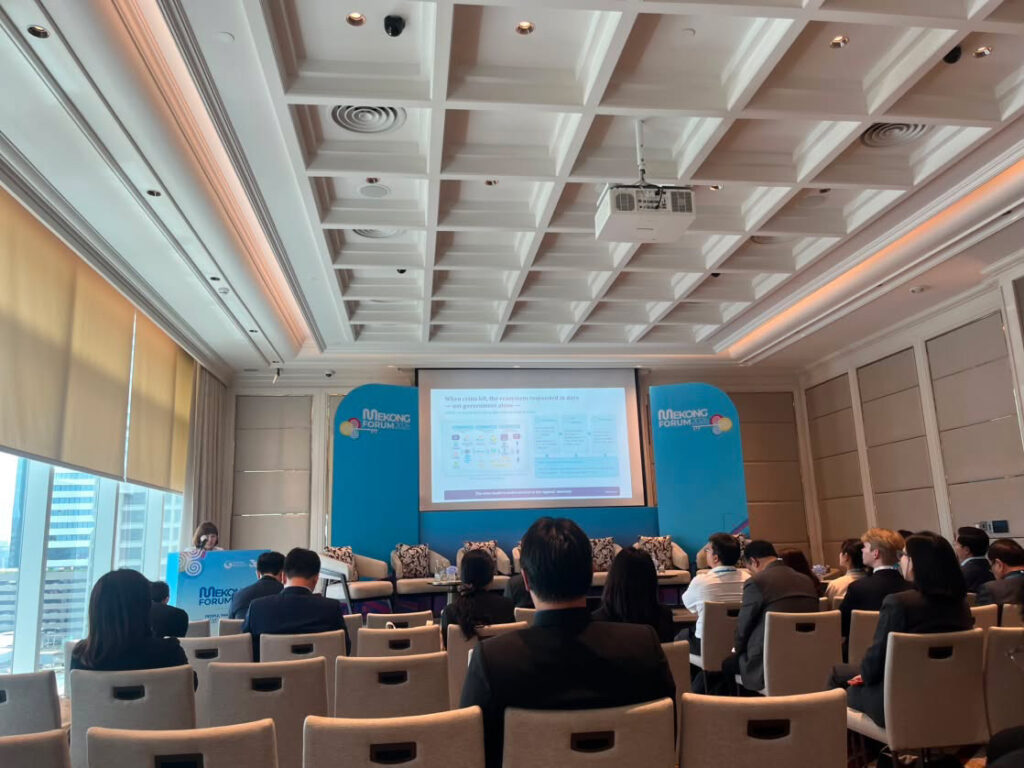
On 22–23 July 2026, the Sustainable Rice Platform (SRP) joined Mekong Forum 2026 in Bangkok, the flagship regional gathering organised by the Mekong Institute (MI) under the theme “People, Partnership, Progress: Powering GMS Development through Nexus Solutions.” The Forum marked a significant moment for the Greater Mekong Subregion (GMS): it coincided with MI’s 30th anniversary and the launch of its 2026–2030 Strategic Framework, bringing together roughly 300 participants government officials, UN agencies and development banks, researchers, private sector leaders, and civil society groups to chart a more connected, evidence-driven path for regional development.
Our Representatives:
Why SRP’s Participation Matters
Rice sits at the centre of food security, water use, and livelihoods across the Mekong countries, yet conversations about the region’s future are increasingly happening through a “nexus” lens one that treats climate, water, energy, food, and health as interconnected systems rather than separate silos. By taking part, SRP placed sustainable rice production directly inside that wider regional conversation, alongside institutions like UN ESCAP, the Asian Development Bank, the Mekong River Commission, AIIB, and the GMS Knowledge Network (GMSKN).
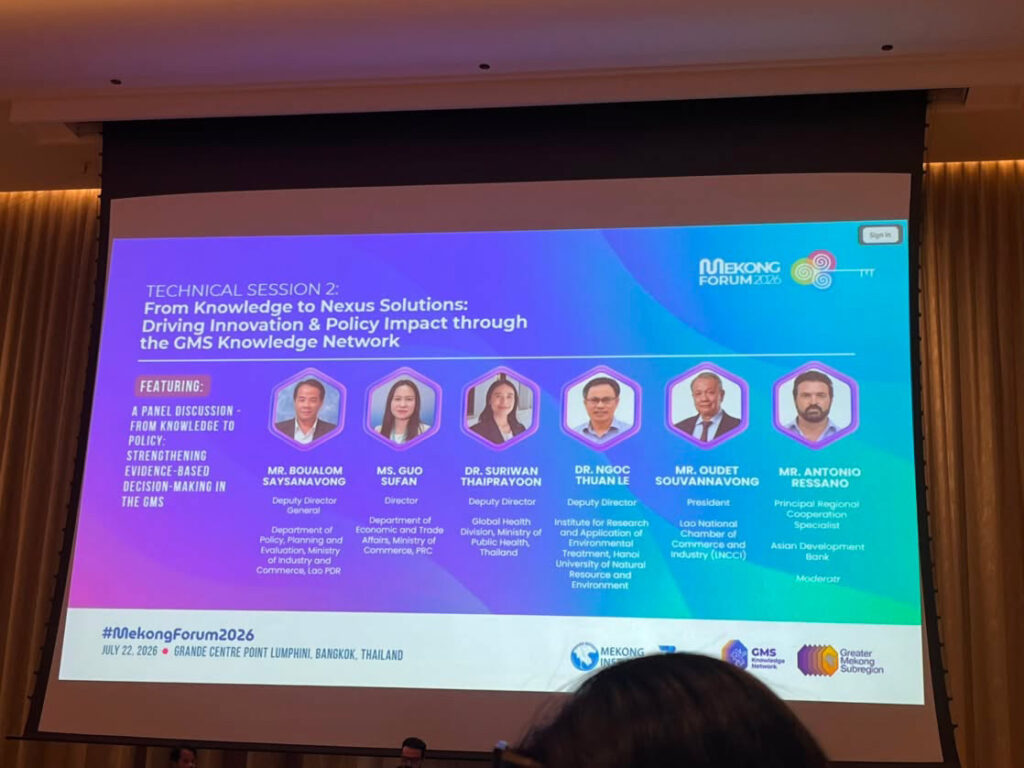
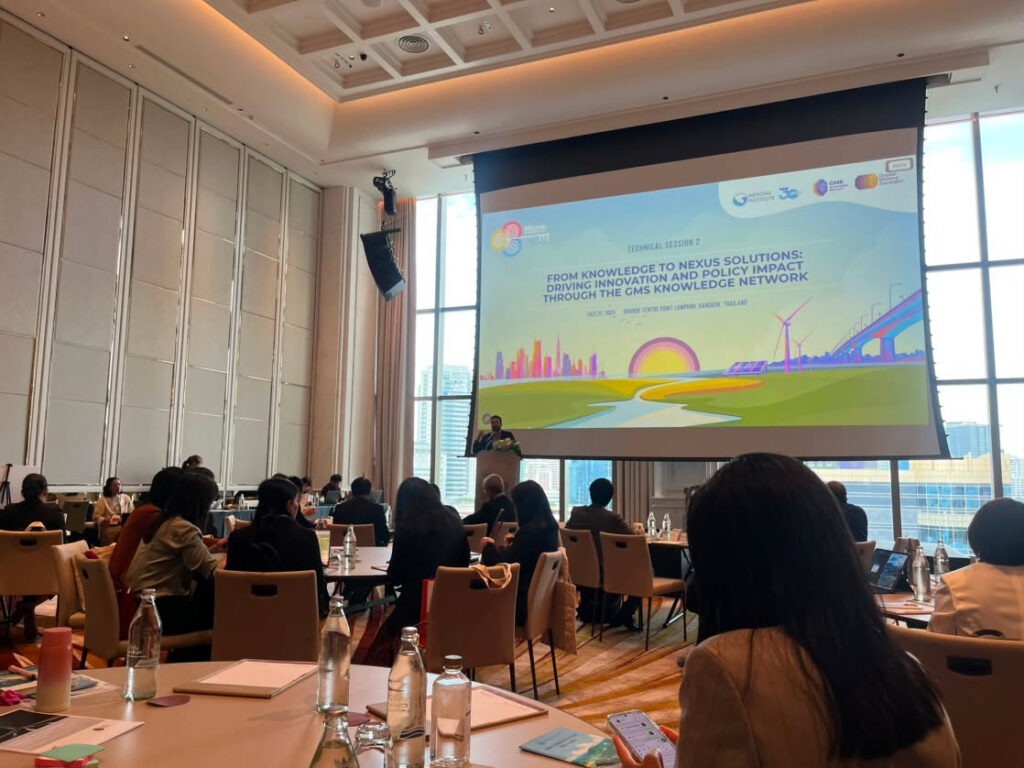
SRP’s participation centered on Technical Session 2, “From Knowledge to Nexus Solutions: Driving Innovation and Policy Impact through the GMS Knowledge Network,” which brought together the panelists listed above to examine how regional knowledge ecosystems can better connect research, policy, innovation, and investment across the GMS.
Panelists Technical Session 2
- Mr. Boualom Saysanavong — Ministry of Industry and Commerce, Lao PDR
- Ms. Guo Sufan — Ministry of Commerce, People’s Republic of China
- Ms. Suriwan Thaiprayoon — Ministry of Public Health, Thailand
- Mr. Ngoc Thuanle — Institute for Research and Application of Environmental Treatment, Vietnam
- Mr. Oudet Souvannavong — Lao National Chamber of Commerce and Industry, Lao PDR
- Mr. Antonio Ressano — GMS Secretariat, Asian Development Bank (note: sources differ slightly on exact title — Concept Note lists “GMS Secretariat”; internal notes list “Principal Regional Cooperation Specialist, ADB.” Recommend confirming exact title with the MI team before final publication.)
Inside the discussion
A recurring theme was the gap between the pace of research and the pace of policymaking evidence is often produced only after decisions have already been made, because research timelines rarely keep up with emerging policy needs. Speakers argued that cross-sector partnerships are what close that gap, ensuring evidence gets generated where it’s actually needed rather than after the fact.
A few other points stood out: reliable, nationally-collected data paired with real capacity-building (not just technical studies); pre-evaluation involving multiple stakeholders; and cross-sectoral collaboration with the private sector as one of the more effective ways to move research into policy provided public interest and private-sector incentives are deliberately balanced. A top-down approach to implementation was named as a recurring constraint, one that often misses ground realities for lack of real-world evidence.
Looking ahead
Mekong Forum 2026 offered SRP a valuable window into how the region is rethinking collaboration moving from fragmented, project-based efforts toward integrated, partnership-driven solutions. For SRP, the takeaway is clear: there’s real opportunity to strengthen its role as a knowledge partner in the region, and to bring some of that same energy interactive, cross-sector, and solutions-focused into its own platform going forward.
Key takeaways for SRP
A few themes from the session stood out as directly relevant to SRP’s work going forward:
SRP extends its congratulations to the Mekong Institute on the success of Mekong Forum 2026, and on the milestone of its 30th anniversary three decades of building bridges, not just across borders, but across sectors, institutions, and generations of changemakers in the Greater Mekong Subregion. The Forum’s ability to bring together governments, UN agencies, development banks, researchers, and the private sector under one shared agenda is no small feat, and it reflects the kind of trusted convening power the region needs more of.
SRP is grateful to have been part of the conversation, and to the panelists of Technical Session 2 for a discussion that was as candid as it was constructive one that surfaced real gaps between research and policy, and real ideas for closing them. As the Mekong region charts its next chapter under the banner of People, Partnership, and Progress, SRP looks forward to continuing this collaboration: contributing evidence, sharing knowledge, and working alongside MI and its partners to build a more sustainable, resilient, and inclusive rice sector for the region.
by Jidapa Noosawas
Related Post
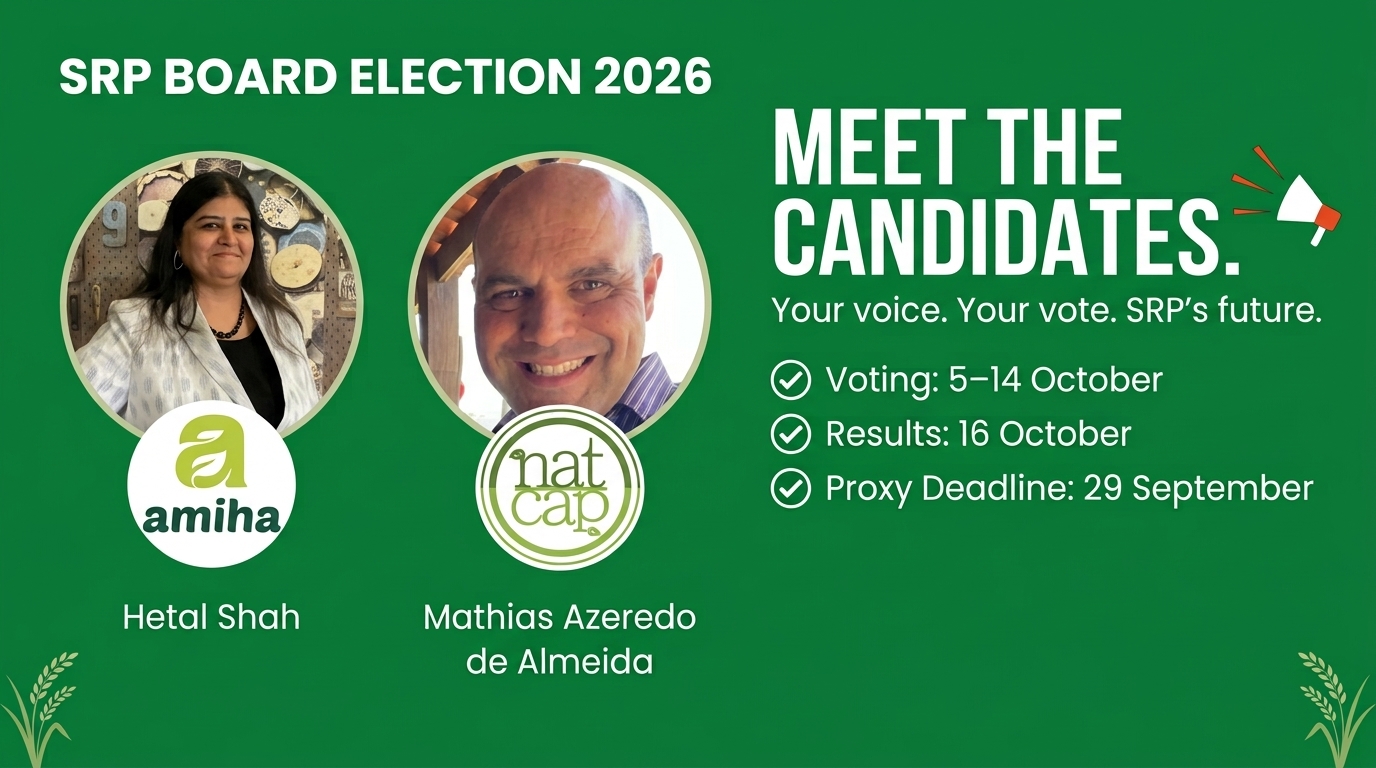
SRP Board Election: One Seat, Two Outstanding Candidates, Your Vote Shapes What Comes Next
The SRP Board sets the direction for our entire movement — and this year, one seat, two exceptional leaders, and every member's vote will decide who helps steward that future. This is your moment to
Read More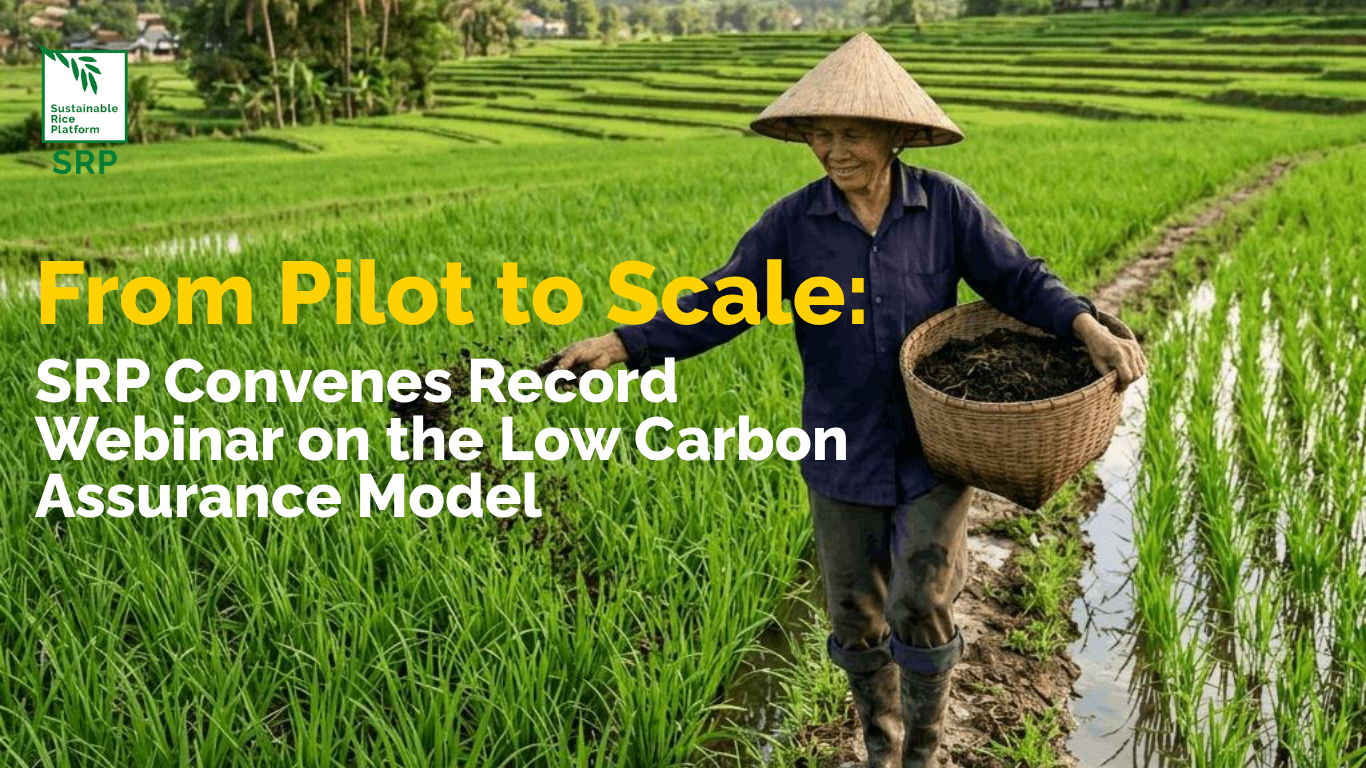
From Pilot to Scale: SRP Convenes Record Webinar on the Low Carbon Assurance Model
Nearly 300 registrants of this webinar, the Value Change Initiative and private-sector buyers to shape the pathway from LCAM's India and Vietnam pilots to sector-wide implementation BANGKOK, 2 September 2026 — The Sustainable Rice Platform (SRP) today convened one of
Read More
Meet the Speakers: From Pilot to Scale – Shaping the Future of L-CAM | SRP Webinar, 2 September 2026
For a solution to matter at scale, it has to survive contact with the real world — different geographies, different value chains, different buyers asking different questions. That's exactly the stage SRP's Low-Carbon Assurance Module
Read More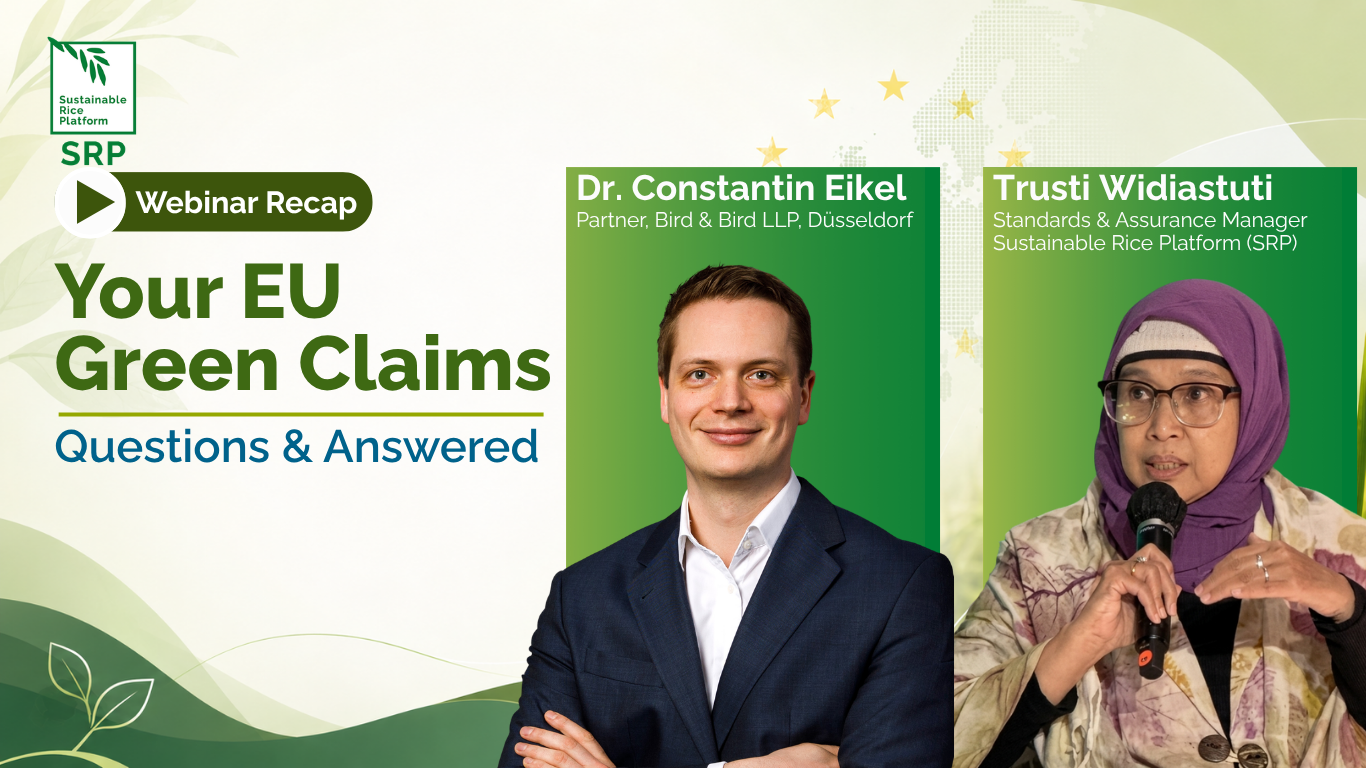
SRP Webinar Recap: Your EU Green Claims Questions, Answered
On 20 August 2026, the Sustainable Rice Platform (SRP) hosted a webinar on the EU Empowering Consumers for the Green Transition (EmpCo) Directive and what it means for sustainability claims in the rice sector. Moderated
Read More
Call for Nominations: SRP Board Election — One Seat, One Vote, Your Voice
Nominations open 20 August 2026 This is your moment to help steer the future of the Sustainable Rice Platform. One seat on the SRP Board — At Large — is opening up. Unlike seats reserved
Read More
How SRP prepared for the EU Empowering Consumers for the Green Transition Directive
The EU Empowering Consumers for the Green Transition (EmpCo) Directive (Directive (EU) 2024/825) introduces new requirements to improve the transparency and credibility of environmental claims and sustainability labels, helping consumers make better-informed purchasing decisions. SRP is committed
Read More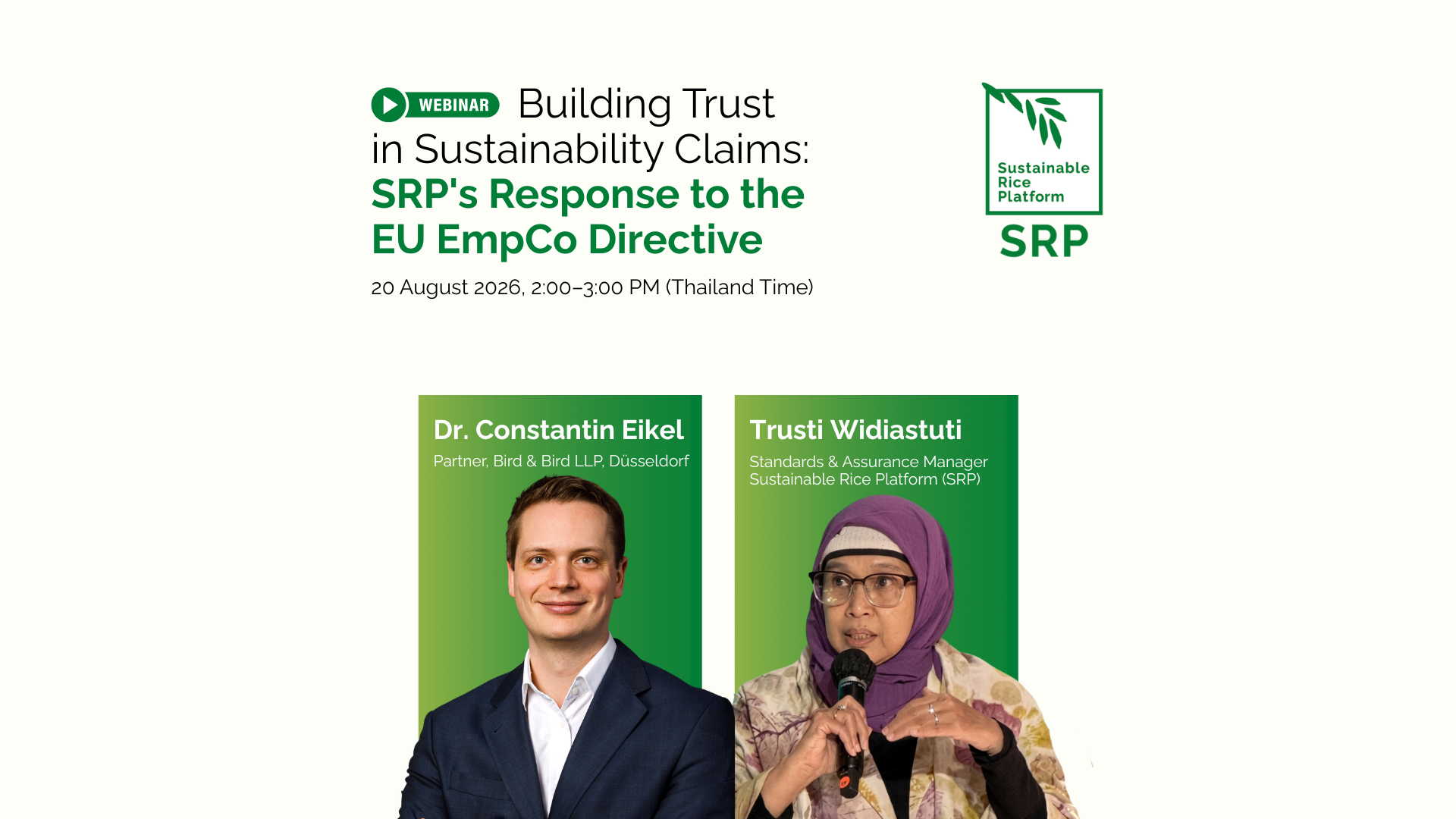
Meet the Speakers: Building Trust in Sustainability Claims: SRP’s Response to the EU EmpCo Directive | SRP Webinar, 20 August 2026
Starting 27 September 2026, the EU's EmpCo Directive comes into force — and it will fundamentally change how brands can talk about sustainability. Broad, unverified claims like "eco-friendly" or "green" won't hold up anymore unless
Read More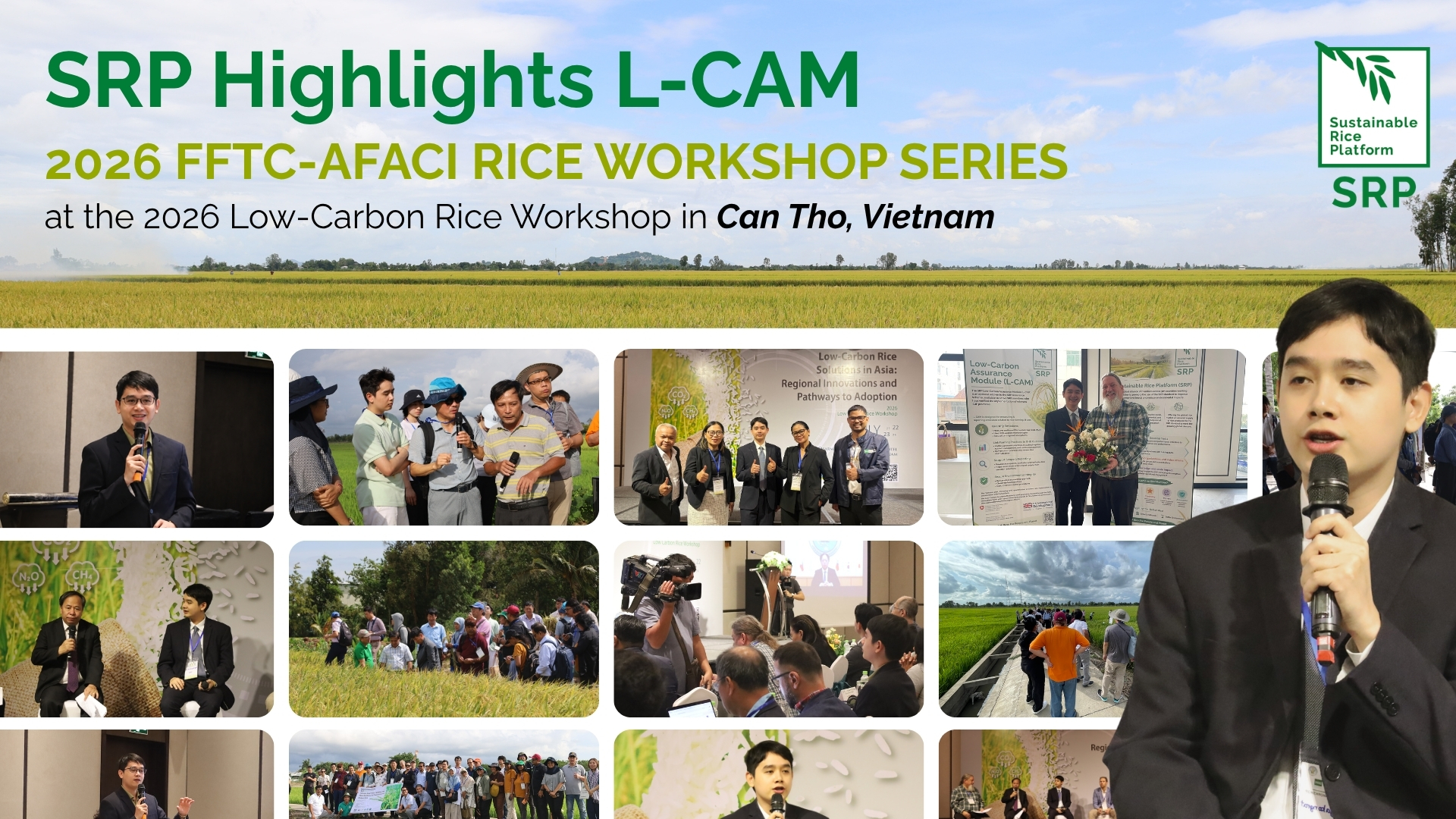
SRP Highlights L-CAM: 2026 FFTC-AFACI RICE WORKSHOP SERIES at the 2026 Low-Carbon Rice Workshop in Can Tho, Vietnam
From 22 to 24 July 2026, the rice world turned its attention to Can Tho City, Vietnam, for the FFTC workshop "Low-Carbon Rice Solutions in Asia." For the Sustainable Rice Platform (SRP), it was more than a
Read More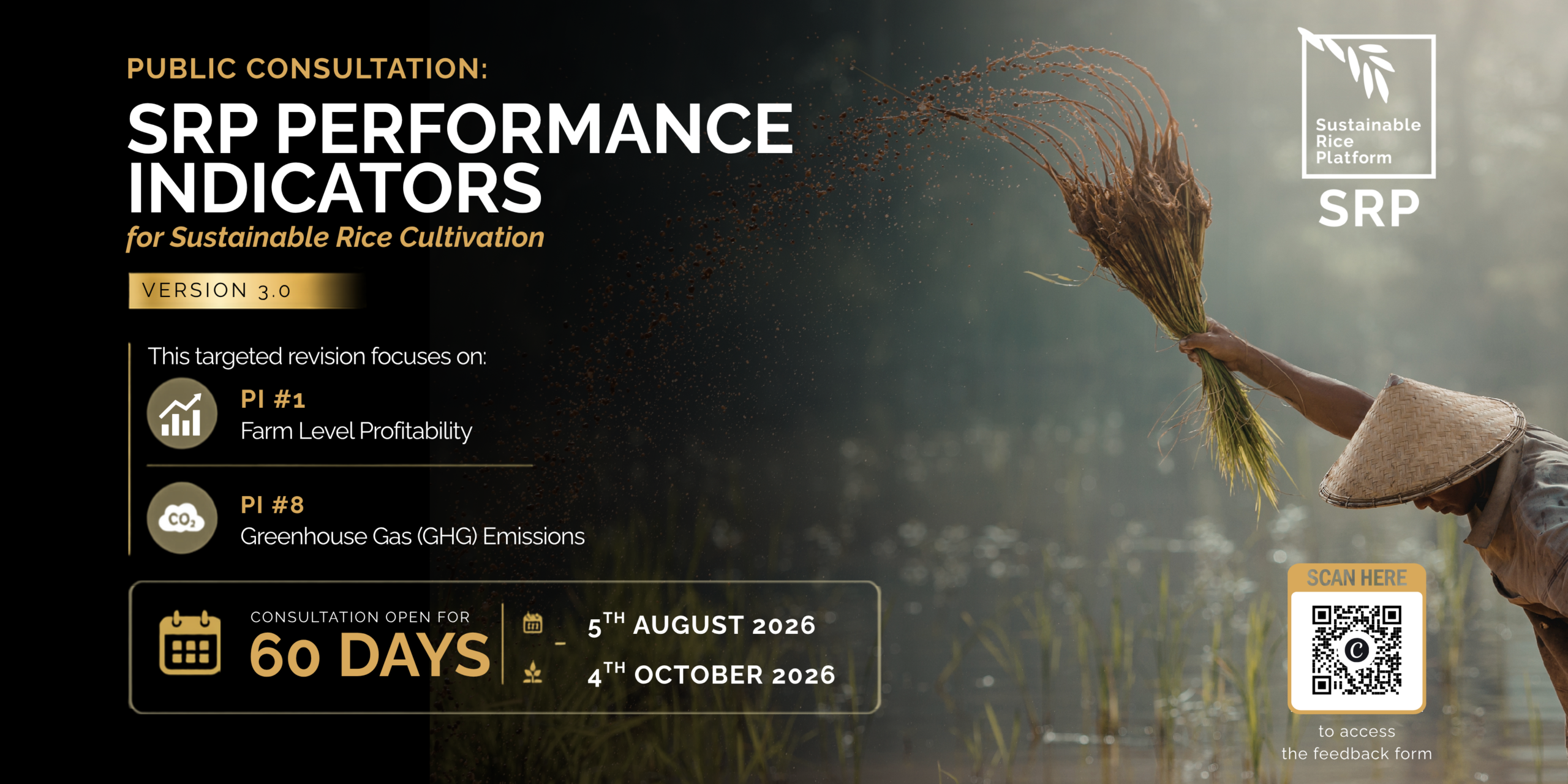
Public Consultation Open: Revision of SRP Performance Indicators for Sustainable Rice Cultivation
The Sustainable Rice Platform (SRP) invites stakeholders to participate in a 60-day public consultation on the proposed revision of the SRP Performance Indicators for Sustainable Rice Cultivation. The SRP Performance Indicators support the measurement of sustainability outcomes associated with rice cultivation and
Read More
Join Thai Webinar: Upgrade Thai Rice Production to meet an international market
As sustainability expectations continue to reshape global agricultural markets, the rice sector is entering a new era where transparency, traceability, and credible sustainability practices are becoming essential. To support stakeholders in navigating this transition, the
Read More